
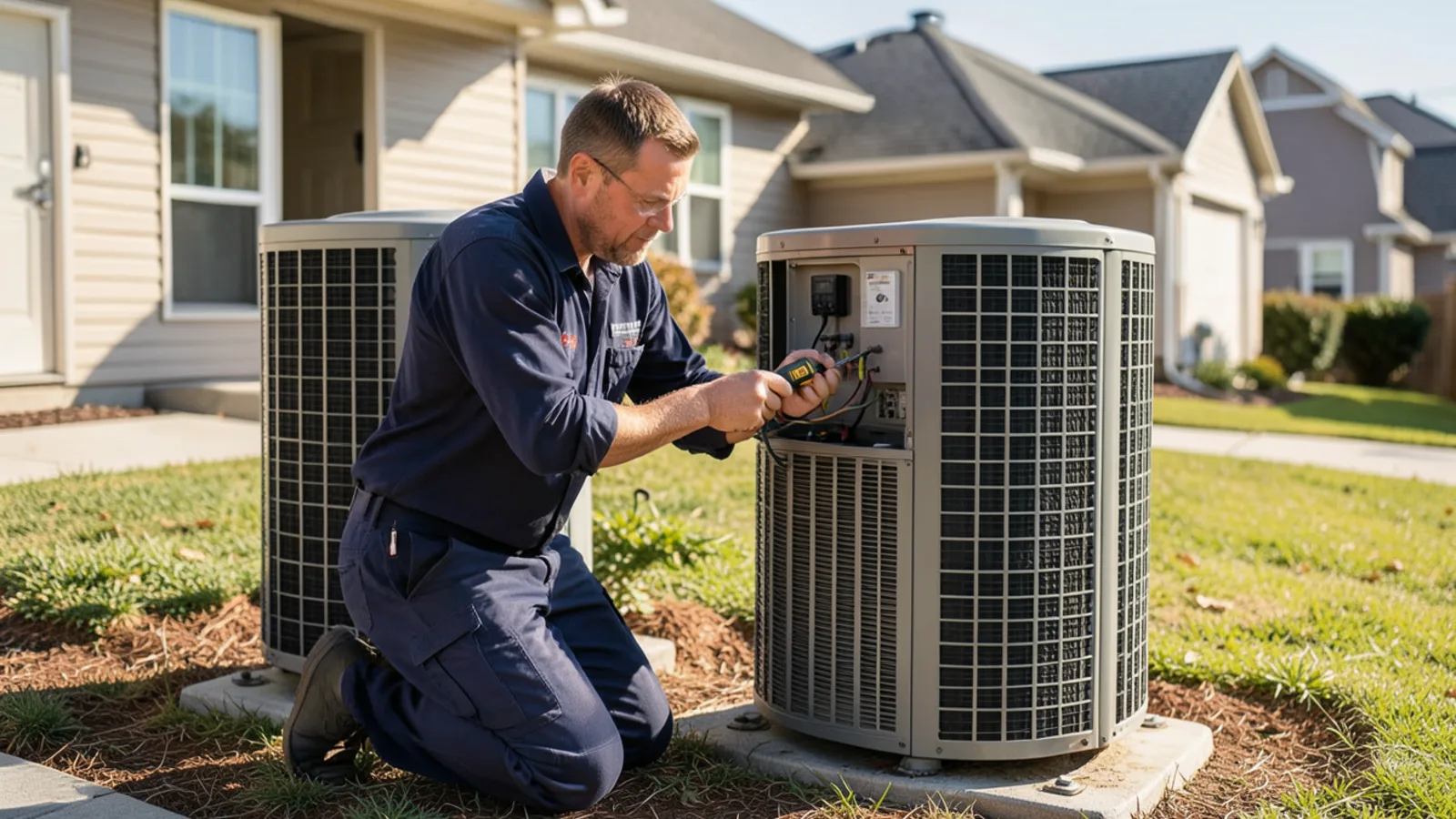
Air Conditioning Repair in Campbell, CA
Campbell AC not cooling? Fast, same-day air conditioning repair for local West Valley residences. Call (321) 666-8870 for quick diagnostic dispatch.
Reliable Air Conditioning Repair When South Bay Heat Waves Strike
When an inland summer heat wave pushes temperatures across Campbell and the West Valley into the high 90s, a dependable central air conditioning system is vital for household comfort and safety. The Mediterranean climate of the Santa Clara Valley creates sustained thermal loads on residential condensers, averaging nearly nineteen days above ninety degrees each summer. Late afternoon solar radiation intensifies against western walls, forcing cooling equipment to run under peak head pressure.
PerformanceMech Heating & Air delivers prompt air conditioning repair on all makes and models throughout Campbell and neighboring communities. Dispatched directly from our facility at 900 E Hamilton Ave, our certified technicians arrive in fully equipped vehicles prepared to repair mechanical, electrical, and refrigerant failures on the spot. We focus on rigorous diagnostic science to ensure your system operates reliably when needed most.
Need Fast AC Repair in Campbell or the South Bay?
Speak directly with our local technical dispatch team at (321) 666-8870. Fast same-day arrivals across Campbell, Los Gatos, Saratoga, and San Jose.
Common AC Failure Symptoms in Campbell Ranch Homes
Identifying Early Warning Signs Before Complete Cooling Breakdown
Many single-family ranch homes built in Campbell, West San Jose, and Los Gatos between the 1950s and 1970s feature retrofit cooling systems connected to original shallow attic ductwork or compact hallway utility closets. These configurations place extraordinary mechanical strain on compressors and air handlers during peak summer afternoons, resulting in distinct warning symptoms that require immediate technical attention.
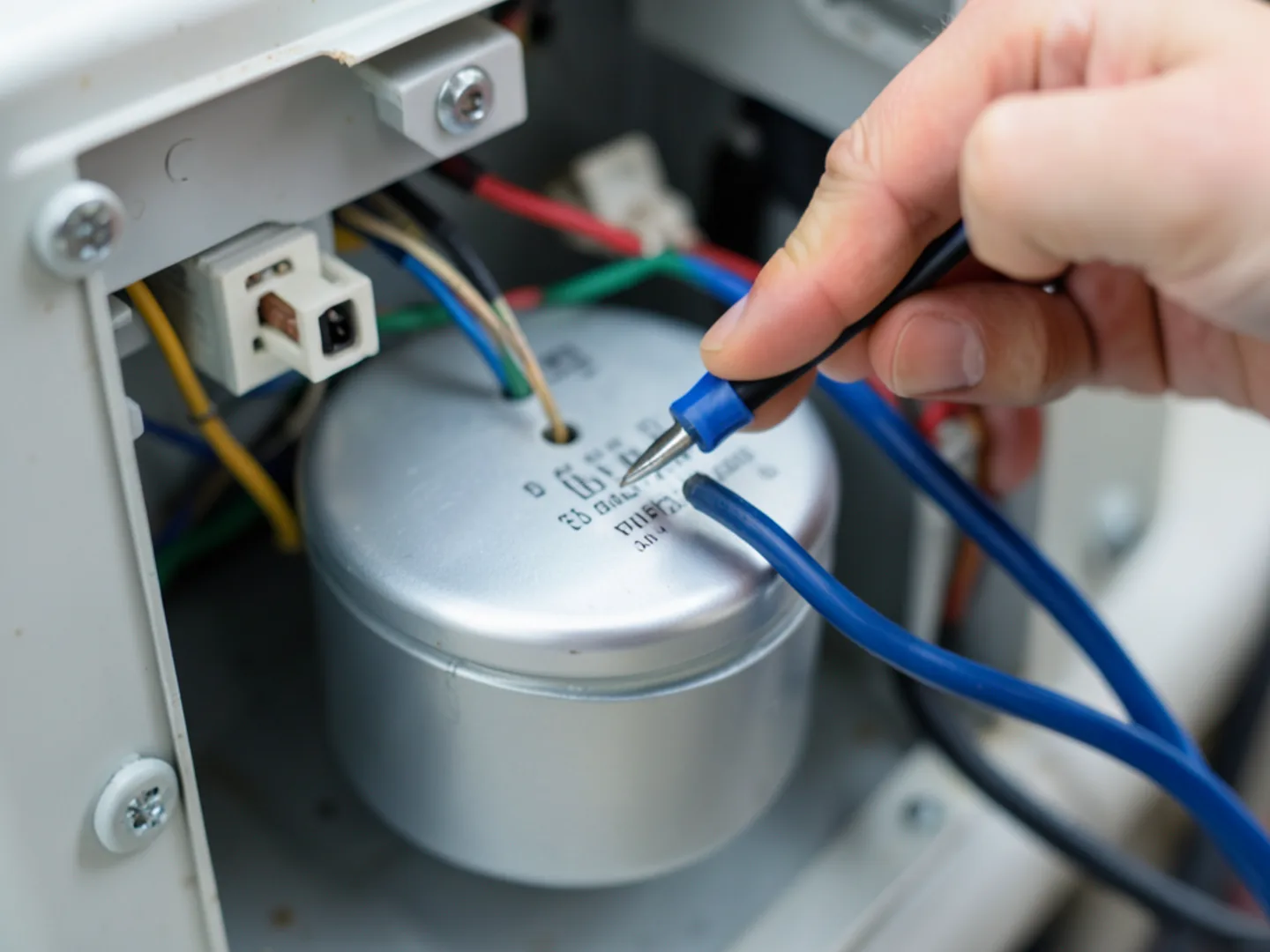
- Warm Air Circulating from Registers: Triggered by a blown dual-run capacitor (such as a 35/5 or 45/5 microfarad unit), a pitted contactor relay, or a loss of refrigerant pressure preventing the compressor from engaging.
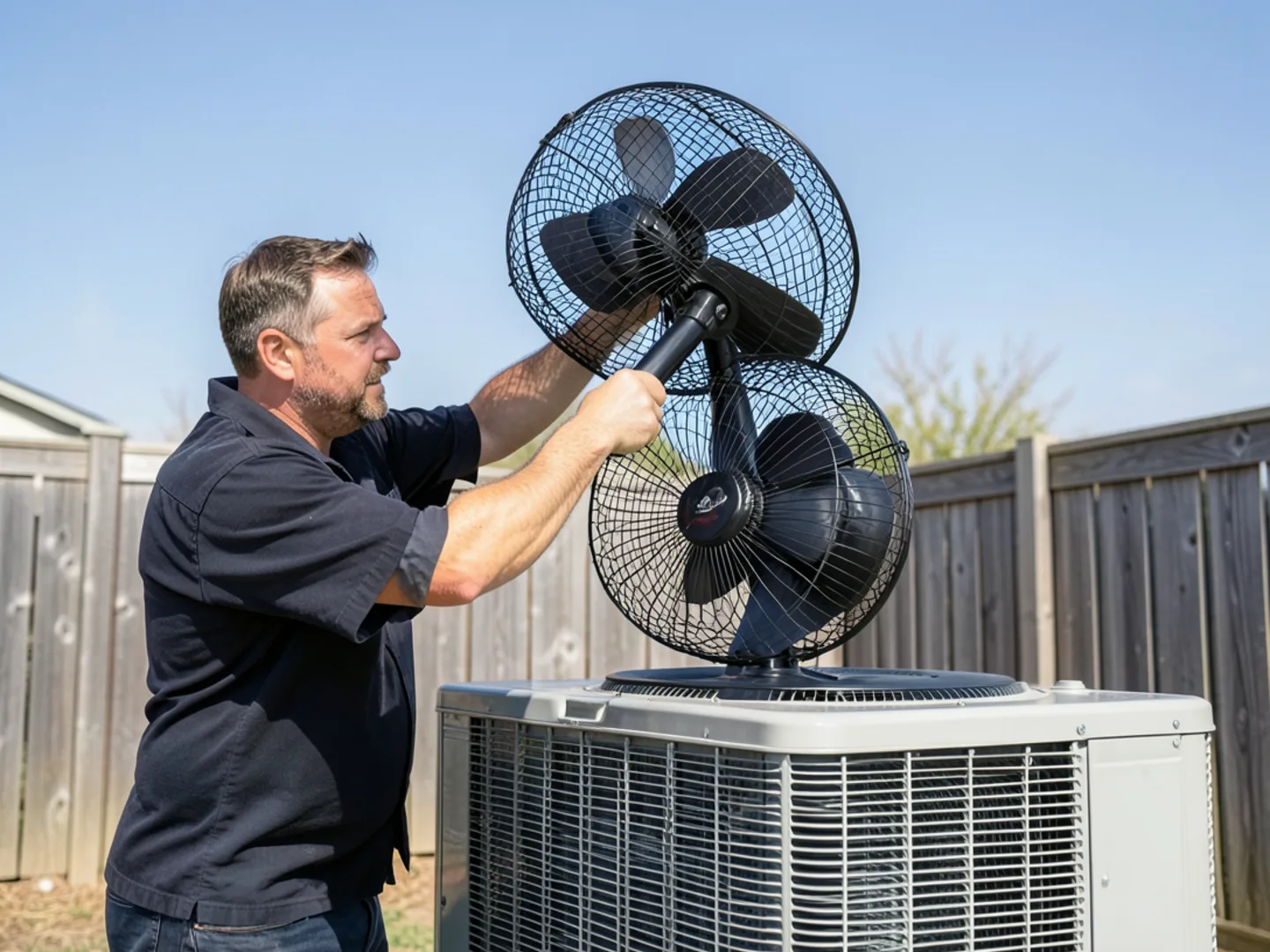
- Outdoor Condenser Fan Stalled While Unit Hums: When the condenser fan motor seizes or its start capacitor degrades, the compressor rapidly overheats on thermal overload, cutting off cooling within minutes.
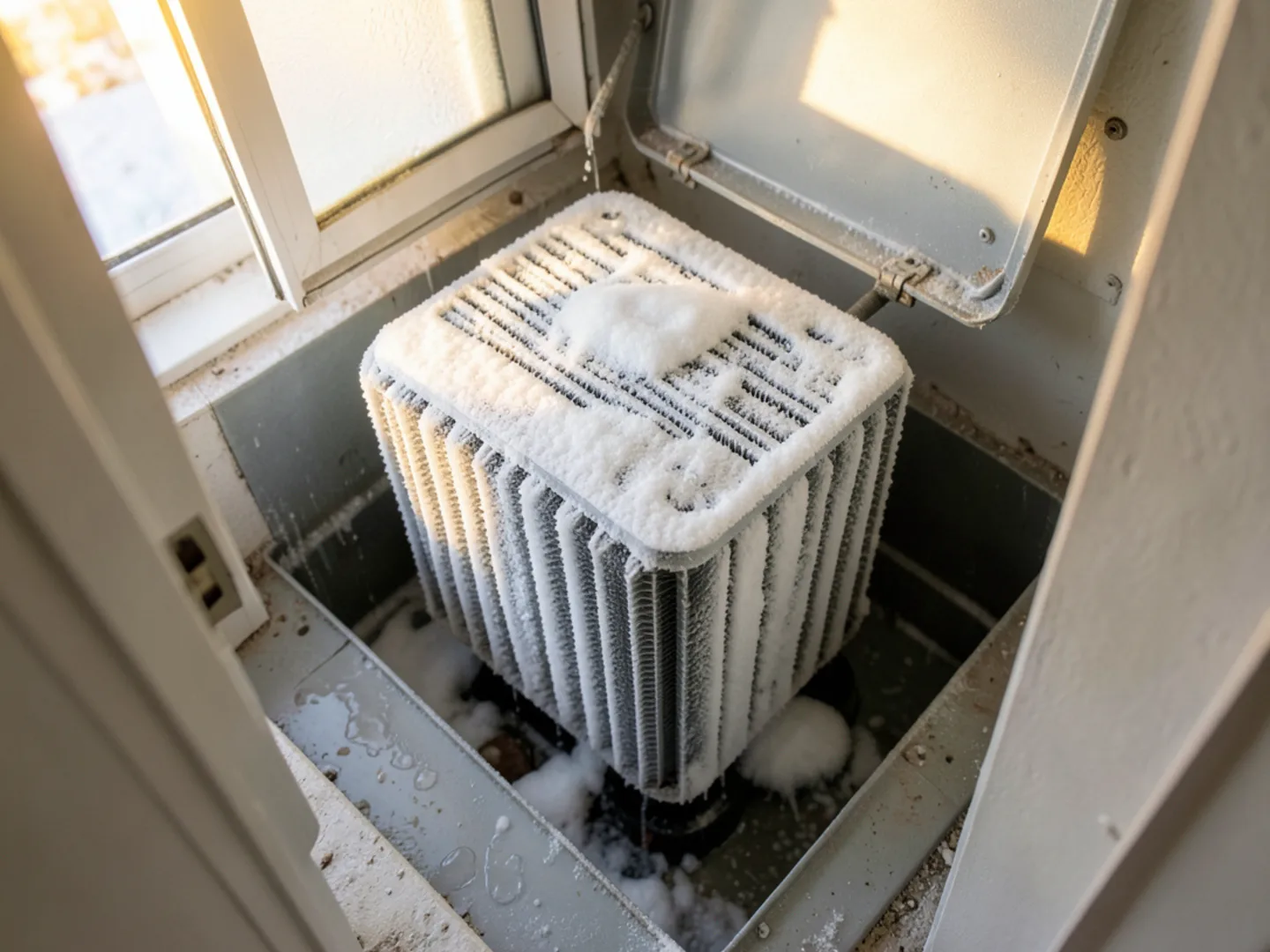
- Solid Ice Accumulation on Refrigerant Lines or Coil: Restricted return airflow caused by a congested filter, collapsed flex ducting, or an undercharged R-410A circuit drops coil temperatures below 32°F, freezing ambient humidity into ice.
- Double-Pole Circuit Breaker Repeatedly Tripping: High electrical inrush current caused by a failing compressor start winding, loose high-voltage lugs, or a shorted motor stator demands professional diagnosis to prevent burnout.
- Condensate Drain Pan Overflow: High summer humidity in shallow Campbell attics produces gallons of daily condensate; clogged 3/4-inch PVC drain lines trigger float switches that shut down cooling to prevent ceiling damage.
- Continuous Short-Cycling: Oversized equipment or a malfunctioning high-pressure cutoff switch cycles the compressor on and off rapidly, driving up electric bills and accelerating mechanical wear.
Our 5-Step Diagnostic & Repair Protocol
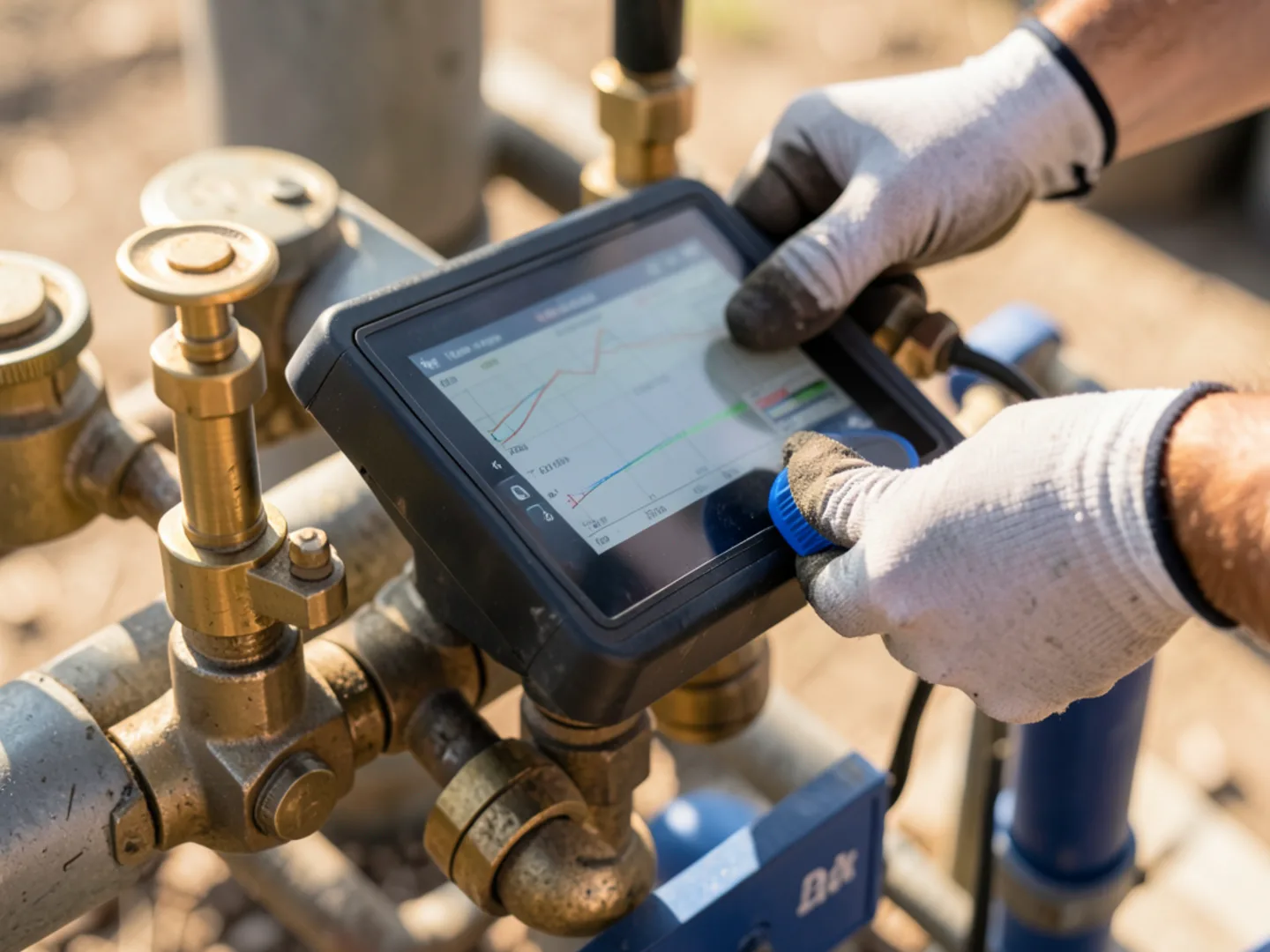
We adhere to an uncompromising diagnostic protocol designed to locate root-cause mechanical and electrical defects rather than treating temporary symptoms. Every service call follows five rigorous stages using professional-grade diagnostic instrumentation.
1. Airflow & Static Pressure Verification
We test external static pressure across the evaporator coil and inspect the blower assembly using digital manometers, confirming that the indoor system delivers required cubic feet per minute (CFM) without attic duct restriction.
2. High-Voltage Electrical & Capacitor Analysis
Using Fieldpiece digital multimeters, technicians test capacitor capacitance under load against manufacturer microfarad tolerances, measure contactor electrical resistance, check line-voltage balance, and verify low-voltage 24V transformer output.
3. Refrigerant Thermodynamic Pressures & Charge Diagnostics
We connect calibrated digital manifold gauges to measure operating suction and liquid pressures, calculating real-time subcooling and superheat metrics to evaluate compressor volumetric efficiency and exact R-410A refrigerant charge.
4. Electronic Leak Detection & Coil Structural Inspection
If refrigerant pressures indicate a loss of charge, we employ heated-diode and ultrasonic electronic leak detectors along copper U-bends, service port schrader valves, and TXV metering bodies to locate microscopic pinhole leaks.
5. Temperature Split Verification & Safety Commissioning
Following component replacement, we conduct a sustained operational test measuring supply-to-return Delta-T temperature drop across living room registers (target: 16°F–21°F) and verify that condensate flows freely through cleared drain traps.
Repairing vs. Replacing an Aging Central AC System
Transparent Engineering Guidance for Campbell Homeowners
When facing major air conditioning trouble, South Bay homeowners must weigh the cost of immediate component repairs against the long-term benefits of installing a new high-efficiency system. We provide clear, unbiased technical assessments based on equipment age, operating efficiency, and refrigerant classification.
If your central air conditioner is under ten to twelve years old, operates on R-410A refrigerant, and has a sound compressor, targeted mechanical repairs—such as installing a new condenser fan motor, dual-run capacitor, contactor, or condensate pump—are reliable and cost-effective solutions. However, if your system is over fifteen years old, relies on obsolete R-22 Freon (phased out under federal Clean Air regulations), or has suffered a grounded hermetic compressor, replacement is almost always the smarter financial investment.
Under the Bay Area Air Quality Management District (BAAQMD) Rule 9-4 zero-NOx standards and regional electrification initiatives, replacing an aging air conditioner and gas furnace with an ultra-efficient variable-speed heat pump qualifies for substantial rebates through Silicon Valley Clean Energy (SVCE) and TECH Clean California.
What Influences the Cost of AC Repair in Santa Clara County?
Upfront Flat-Rate Pricing with Zero Hidden Fees
We believe in complete pricing transparency before any wrench touches your cooling equipment. While repair costs depend on the specific mechanical or electrical failure uncovered during testing, several transparent factors govern repair investments in our service area.
The primary cost driver is the failed component itself: replacing a standard dual-run capacitor, electrical contactor, or float safety switch requires minimal parts investment, whereas replacing an indoor ECM variable-speed blower motor, reversing valve, or compressor represents a larger capital repair. Equipment accessibility also plays a role—a ground-mounted condenser in a spacious side yard requires less labor time than an air handler wedged into a low-clearance 1960s attic crawlspace.
Refrigerant remediation costs vary based on system charge capacity and whether electronic leak isolation and brazing are necessary. For context, while comprehensive new central HVAC replacements in Campbell average between $5,714 and $7,839 based on regional project records, routine electrical and mechanical repairs are a fraction of replacement expense.
Local Permitting, Title 24 & California C-20 Standards
Strict Environmental and Mechanical Code Compliance
All air conditioning service and mechanical work performed by PerformanceMech conforms strictly to California C-20 Warm-Air Heating, Ventilating, and Air-Conditioning trade standards. We maintain strict compliance with Title 24 Part 6 California Energy Efficiency standards, ensuring proper airflow volume and electrical efficiency.
Under EPA Section 608 regulations, our technicians utilize certified closed-loop refrigerant recovery machines and dry-nitrogen purging equipment during all sealed-system repairs. We never vent regulated refrigerants into the atmosphere. For equipment replacements and extensive lineset modifications, we coordinate directly with the City of Campbell Building Division at 70 N First St to obtain mechanical permits and facilitate required HERS duct leakage verifications.
Why Campbell Homeowners Choose PerformanceMech Heating & Air
Local South Bay Roots, Fast Dispatch & Certified Technical Excellence
PerformanceMech Heating & Air is headquartered directly in Campbell at 900 E Hamilton Ave, Suite 150. Being embedded in the heart of the West Valley means our service vehicles navigate Campbell, Los Gatos, Saratoga, and West San Jose streets with rapid transit times, ensuring fast response when summer heat peaks.
We do not rely on high-pressure sales tactics or commission-driven technicians. Instead, our focus is honest diagnostic engineering, clear written quotes before work begins, and dependable same-day dispatch. Our service trucks carry a broad inventory of universal rescue fan motors, dual-run capacitors, relays, and diagnostic instruments, allowing us to resolve most cooling emergencies on the initial visit.
All work complies with California C-20 Warm-Air Heating, Ventilating & Air-Conditioning standards, EPA Section 608 refrigerant recovery protocols, City of Campbell mechanical permits, and Title 24 HERS energy testing.
AC Repair Service Areas Across the South Bay
Dispatched directly from our Campbell headquarters at 900 E Hamilton Ave. We serve homeowners and light commercial properties across Santa Clara County:
Immediate dispatch from our E Hamilton Ave hub across Downtown, Pruneyard, and San Tomas.
Fast Hwy 17 response for hillside ranch and historic properties facing severe summer solar heat.
Precision diagnostics for multi-zone split systems and estate properties along Saratoga-Sunnyvale Rd.
Same-day service along Camden Ave and Hwy 85 for classic Willow Glen and Cambrian ranch homes.
Comprehensive cooling diagnostics and repairs for homes near Stevens Creek Blvd and De Anza.
Reliable air conditioning diagnostics and motor repairs near El Camino Real and Central Expressway.
Central AC and heat pump repair for post-war suburban homes and flat-roof Eichler properties.
Rapid cooling repairs and electrical diagnostics along El Camino Real and Shoreline corridors.
High-efficiency multi-stage AC repair and precision diagnostics along Foothill Expressway.
Frequently Asked Questions About AC Repair
This symptom typically indicates an electrical or refrigerant issue at the outdoor condensing unit. If your indoor blower runs but the outdoor compressor or fan fails to engage—frequently due to a failed dual-run capacitor or tripped disconnect—the system merely circulates ambient indoor air. Low refrigerant from a coil leak or a frozen evaporator can also stop heat transfer completely.
Schedule Your AC Repair in Campbell Today
Call (321) 666-8870 now. Our certified technicians provide upfront flat-rate pricing and reliable same-day dispatch.