
Heat Pump vs. Furnace and AC: Replacement Costs in Campbell, CA

Quick Cost Answer: Is a Heat Pump Cheaper Than a Gas Furnace and AC in Campbell?
In Campbell and the South Bay, a high-efficiency variable-speed inverter heat pump replacement typically carries a 10% to 25% higher initial equipment cost than a traditional central AC and gas furnace combination, but stacks up to $8,000 or more in available clean energy rebates (Silicon Valley Clean Energy FutureFit, TECH Clean California, and federal Section 25C tax credits). Operating at 300% to 400% thermodynamic heating efficiency (COP 3.0 to 4.2), heat pumps eliminate gas utility volatility, bypass expensive panel upgrades with modern low-amp inverters, and ensure 100% compliance with BAAQMD's upcoming 2029 zero-NOx furnace ban.
When an aging 15-to-25-year-old heating or air conditioning system reaches the end of its reliable operating life in Campbell, homeowners face a critical financial and technological crossroads: should you replace your equipment with another traditional gas furnace and separate AC unit, or transition to a high-efficiency electric heat pump?
With California residential natural gas rates escalating rapidly, the Bay Area Air Quality Management District's (BAAQMD) Rule 9-4 taking effect in 2029, and clean electricity provided through Silicon Valley Clean Energy (SVCE), the long-term economics decisively favor modern inverter heat pumps. Here is an honest, transparent breakdown of real equipment, electrical, permit, and operating cost factors.
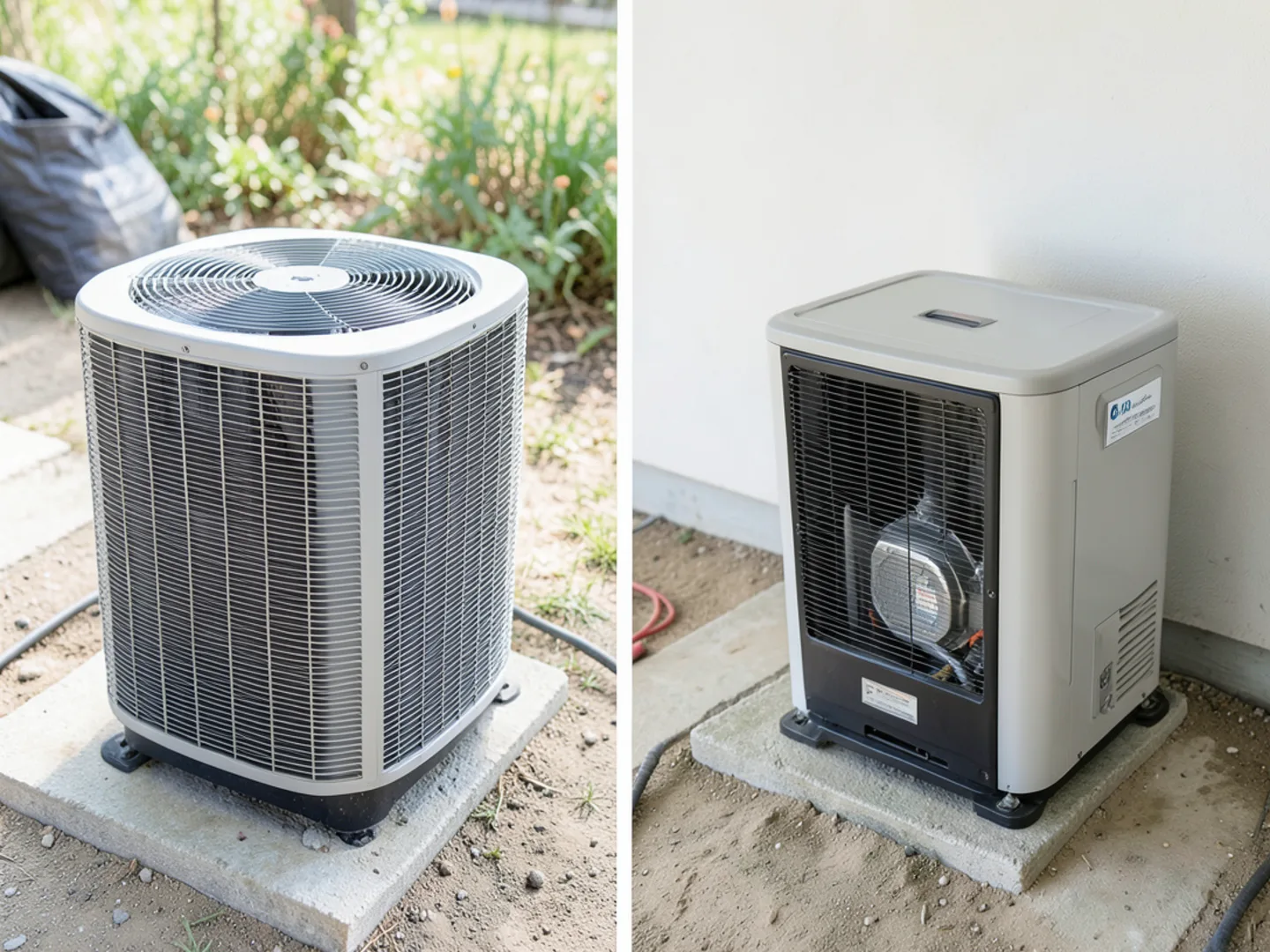
Need Professional HVAC Help in Campbell?
Our local team handles diagnostic troubleshooting, equipment sizing, and emergency repairs across the South Bay.
Comprehensive Cost Breakdown: System Options Compared
The table below compares typical project investments, efficiency metrics, and incentive eligibility for single-family homes across Campbell, Los Gatos, and Saratoga.
- Dual-System Consolidation: A heat pump replaces two separate mechanical appliances (outdoor AC condenser and indoor gas furnace) with a single reversible refrigeration circuit, reducing total moving parts and potential failure points.
- Rebate Deductions at Point of Sale: Qualifying TECH Clean California and SVCE contractor incentives can be applied directly to invoice totals through registered C-20 contractors like PerformanceMech.
- Federal Section 25C Tax Credit: Homeowners can claim an additional 30% of project costs up to a $2,000 federal tax credit on qualifying Consortium for Energy Efficiency (CEE) Tier 1 and Tier 2 heat pumps.
- Resale Real Estate Value: All-electric homes with high-efficiency heat pumps and verified low HERS duct leakage command higher appraised market values among tech-forward Silicon Valley buyers.
| Factor | Standard AC + 80% Gas Furnace | High-Efficiency Heat Pump Inverter | Dual-Fuel Hybrid System |
|---|---|---|---|
| Equipment Configuration | Separate Condenser & Attic Gas Furnace | Single Reversible Inverter Heat Pump | Heat Pump + Backup Gas Furnace |
| Cooling Efficiency | 14.3 to 16.0 SEER2 | 18.0 to 24.0+ SEER2 | 16.0 to 20.0 SEER2 |
| Heating Efficiency | 80% AFUE (Natural Gas Combustion) | 300% to 400% COP (Electric Inverter) | 300% COP primary / 80% AFUE backup |
| Estimated Upfront Range | Baseline Market Cost | 10% to 25% Higher Equipment Cost | 20% to 35% Higher Equipment Cost |
| Rebate Eligibility | Minimal / Completely Discontinued | Up to $8,000+ (SVCE, TECH, 25C) | Eligible for Select Tiered Rebates |
| Future Mandate Compliance | Banned for replacement after 2029 | 100% Zero-NOx Compliant for Life | Compliant prior to 2029 cutoffs |
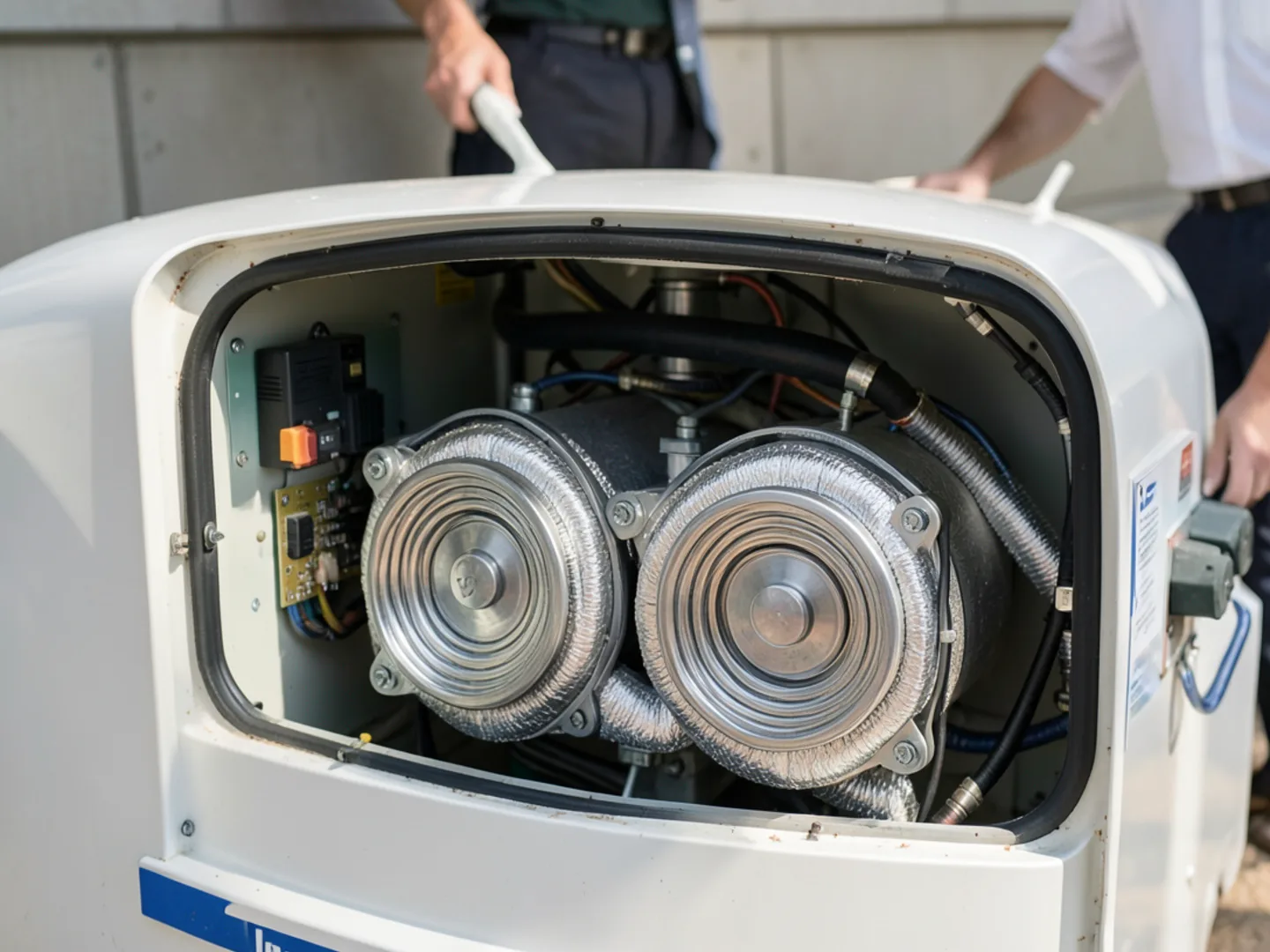
Evaluating Seasonal Operating Efficiencies: COP 3.5 vs. AFUE 80%
Understanding equipment operating cost requires examining how heating energy is produced. Standard natural gas furnaces are rated by Annual Fuel Utilization Efficiency (AFUE). An 80% AFUE furnace converts 80% of fuel energy into household heat while 20% escapes through the exhaust chimney pipe. Even ultra-expensive 96% condensing furnaces cannot generate more heat energy than exists in the burned natural gas.
Electric heat pumps do not generate heat through combustion; they move existing ambient heat from outdoor air into your home using variable-capacity refrigeration inverters. Because moving heat requires far less energy than creating heat, modern heat pumps achieve Coefficients of Performance (COP) between 3.0 and 4.2. For every 1.0 kilowatt of electricity consumed, the system delivers 3.0 to 4.2 kilowatts of equivalent thermal heat into your living spaces—operating at 300% to 400% net efficiency.
In the moderate winter climate of Campbell, where overnight lows rarely fall below 35°F, air-source heat pumps operate at their peak thermodynamic sweet spot. They deliver consistent 70°F to 72°F indoor comfort without burning fossil fuels or emitting nitrogen oxides into the South Bay basin.
The 100-Amp Electrical Panel Factor in 1950s–1960s Campbell Homes
A key variable that impacts the final cost of an electric heat pump conversion in older Campbell homes is main electrical service capacity. Many post-war ranch homes built in the 1950s and 1960s feature original 100-amp main electrical service panels.
Historically, older electric resistance heat strips required massive 60-to-80-amp dual circuits, forcing homeowners into mandatory $4,000 to $8,000 panel upgrades and lengthy PG&E engineering delays. However, modern variable-capacity inverter heat pumps require only a modest 30-to-40-amp 240V dedicated circuit because inverter soft-start compressors eliminate inrush current spikes.
Under National Electrical Code (NEC) Article 220 residential load calculations, our licensed electrical team can frequently integrate an inverter heat pump within existing 100A panel capacity. In homes with heavy electrical loads (EV chargers, electric ovens), we install smart load-management controllers (such as SimpleSwitch or DCC devices) that momentarily pause EV charging if whole-house electrical demand nears peak thresholds, completely bypassing costly utility service upgrades.
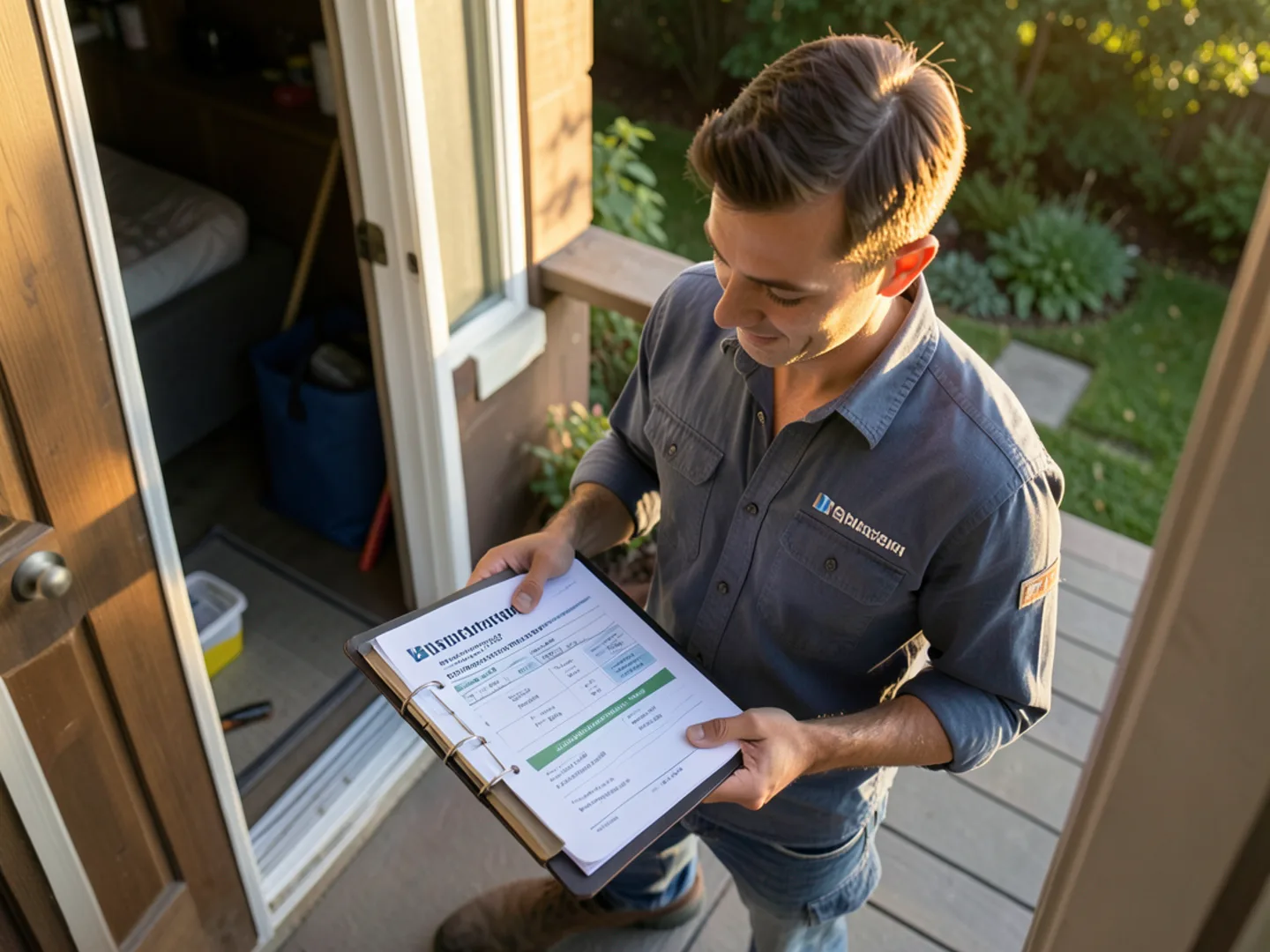
City of Campbell Permits & California Title 24 Compliance Costs
Under California law, all central HVAC equipment replacements require municipal mechanical permits issued by the City of Campbell Building Division or Santa Clara County. Legitimate contractor quotes include permit processing fees and mandatory third-party Home Energy Rating System (HERS) verification testing.
HERS testing verifies that attic duct leakage does not exceed California's strict 10% threshold and confirms proper refrigerant charge and airflow (minimum 350 CFM per ton of cooling capacity). Cutting corners with unlicensed contractors who skip permits risks homeowner insurance coverage denials, city stop-work fines, and complications when selling your property in the future.
Expert Field Insights: How PerformanceMech Evaluates Your Home's ROI
When our comfort engineering team evaluates a Campbell home for heat pump conversion, we avoid rule-of-thumb guesswork. Oversizing equipment leads to short-cycling, poor dehumidification, and premature compressor wear:
- ACCA Manual J Heat Gain & Heat Loss Calculations: We calculate room-by-room thermal requirements based on your home's window orientation, ceiling insulation R-values, air infiltration rates, and tree shading.
- Variable-Speed Inverter Modulation: Unlike single-stage compressors that slam on at 100% capacity and shut off loudly, inverter heat pumps modulate continuously between 30% and 100% capacity in tiny 1% increments, eliminating room temperature swings.
- Rooftop Solar Integration: Pairing an inverter heat pump with South Bay residential solar panels enables homeowners to heat and cool their homes virtually free using self-generated clean electricity.
- Acoustic Decibel Standards: Inverter outdoor units operate as low as 48 to 54 decibels—quieter than a normal conversational voice—easily complying with strict residential property-line noise limits.
Stacking Clean Energy Rebates: SVCE, TECH Clean California & Federal 25C
The financial calculus of heat pump adoption in Santa Clara County is transformed by stacked incentive programs. As a registered participating contractor in Silicon Valley Clean Energy (SVCE) and TECH Clean California programs, PerformanceMech helps homeowners maximize available funding:
- Silicon Valley Clean Energy (SVCE) FutureFit: Offers up to $2,000 to $3,500 in direct rebates for homeowners replacing natural gas heating with qualifying electric heat pumps.
- TECH Clean California: Provides additional regional heat pump incentives that combine with SVCE funding for up to $1,000 to $3,100 in instant equipment discounts.
- Federal Section 25C Energy Efficient Home Improvement Credit: Provides a 30% federal tax credit up to $2,000 on qualifying Consortium for Energy Efficiency (CEE) Tier 1 and Tier 2 heat pump installations.
- California GoGreen Home Energy Financing: Provides unsecured low-interest financing up to $50,000 with terms up to 15 years, allowing monthly utility bill savings to directly offset equipment payments.
Frequently Asked Questions
Does an electric heat pump really cost less to operate than a gas furnace in Campbell?
Yes. Because modern inverter heat pumps operate at 300% to 400% efficiency (COP 3.0 to 4.2) and Campbell electricity is supplied through cost-competitive Silicon Valley Clean Energy (SVCE), heat pump operating costs are comparable to or lower than natural gas, and substantially cheaper if you have rooftop solar panels.
Will I need to upgrade my 100-amp electrical panel to install a heat pump in Campbell?
In most 1950s and 1960s Campbell ranch homes, no panel upgrade is required. Modern inverter heat pumps draw only 30 to 40 amps at 240V and feature soft-start compressors. Smart load management devices can safely integrate the system within existing 100A service.
What happens to natural gas furnaces in the Bay Area after 2029 under BAAQMD Rule 9-4?
Starting in 2029, the Bay Area Air Quality Management District (BAAQMD) Rule 9-4 will prohibit the retail sale and installation of natural gas furnaces with NOx emissions greater than zero. Existing working gas furnaces remain legal to operate, but replacement equipment must be all-electric zero-NOx heat pumps.
How do I claim Silicon Valley Clean Energy (SVCE) heat pump rebates?
PerformanceMech is an approved enrolled contractor with Silicon Valley Clean Energy (SVCE) and TECH Clean California. We submit all required equipment specifications, AHRI certificates, and Title 24 HERS documentation on your behalf, applying available rebates directly to lower your project cost.
Related Services & Coverage Areas
Editorial Note & Compliance Transparency
Rebate guidelines, local air district standards (such as BAAQMD Rule 9-4), and municipal permit requirements reflect policies in effect as of 2026-10-24. Utility incentive funding levels and program guidelines are subject to change by administering utilities. Always confirm current program requirements prior to final equipment purchase.