
Do You Need a Permit to Replace an AC or Furnace in Santa Clara County?
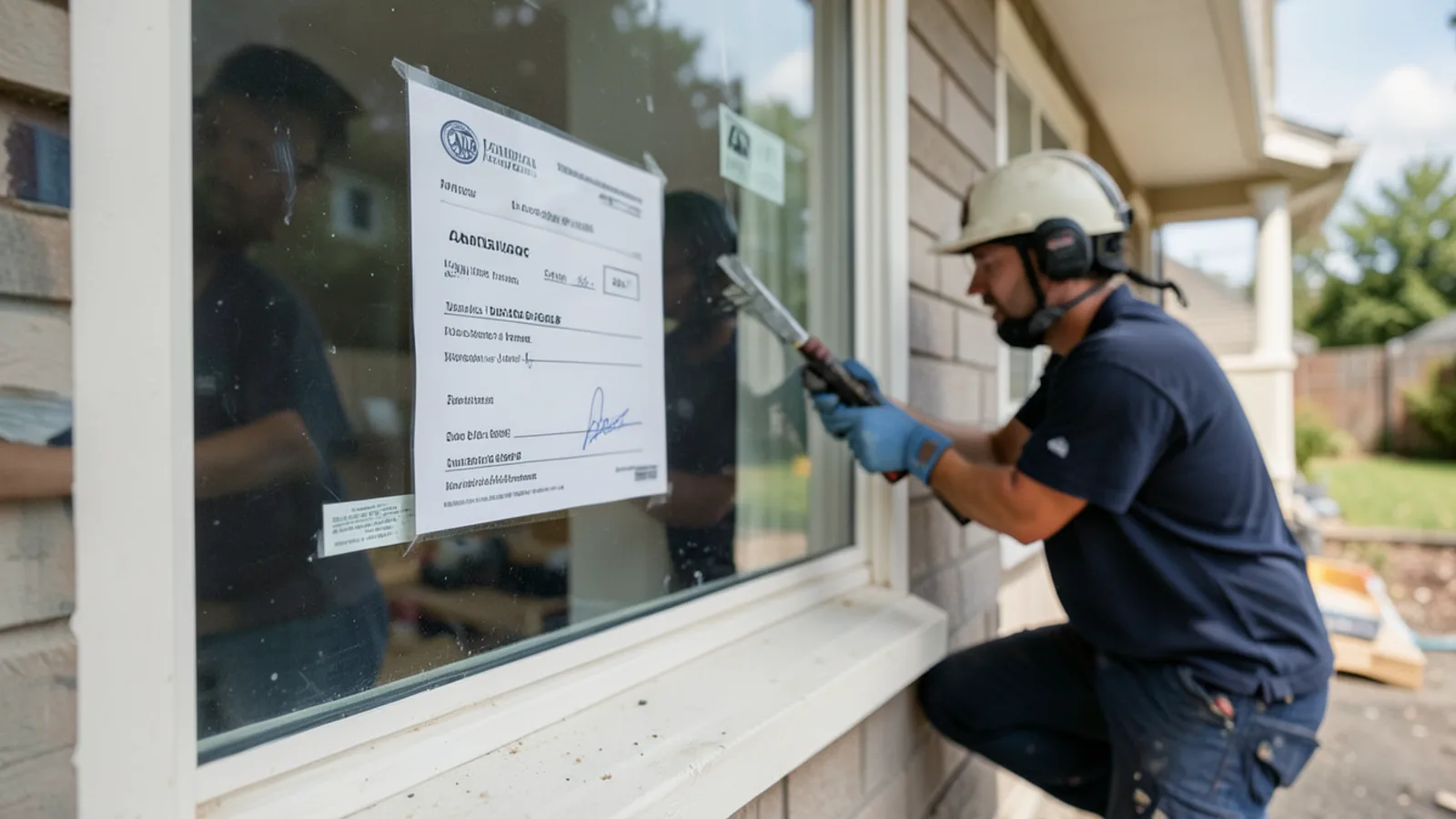
The Direct Answer: California Law and Santa Clara County Mandate HVAC Permits
Yes, California state building codes and Santa Clara County municipal ordinances legally require a building permit for replacing any central air conditioner, heat pump, or gas furnace. Under the California Mechanical Code and California Title 24 Part 6 Building Energy Efficiency Standards, HVAC equipment replacements are major mechanical modifications that alter high-voltage electrical circuits, refrigerant loops, structural ceiling loads, and combustion gas exhaust pathways.
Whether your residence is situated in Campbell, San Jose, Los Gatos, Saratoga, Cupertino, Sunnyvale, or Santa Clara, unpermitted HVAC replacements violate state and municipal statutes. Municipalities require mechanical permits to verify structural safety, prevent carbon monoxide leaks, ensure electrical fire protection, and certify that ductwork satisfies California's mandatory 10% maximum air leakage threshold through independent third-party testing.
Navigating local permitting and energy code compliance does not need to be stressful. Licensed C-20 HVAC contractors manage the entire process from initial plan submittal to final inspection sign-off. Below is a comprehensive guide to Santa Clara County permitting rules, Title 24 HERS requirements, city-specific procedures, and the severe liabilities of skipping permits.
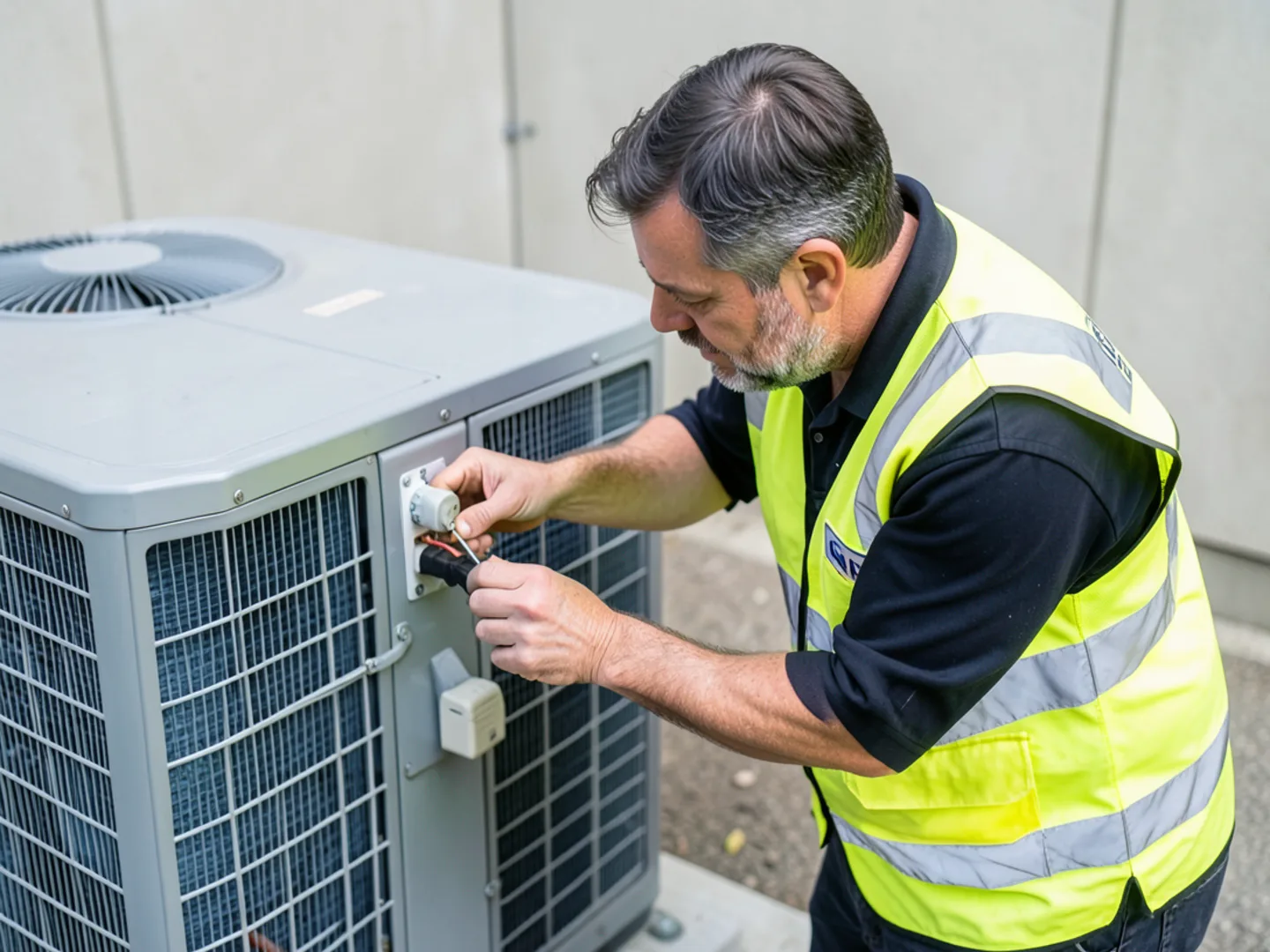
Need Professional HVAC Help in Campbell?
Our local team handles diagnostic troubleshooting, equipment sizing, and emergency repairs across the South Bay.
Why Municipalities Enforce Strict Permits for Heating and Cooling Changeouts
Homeowners sometimes question why replacing an existing furnace or condenser requires municipal oversight. Unlike plug-in appliances, central heating and air conditioning systems are complex, high-power systems deeply integrated into your home's infrastructure. Building inspectors enforce code compliance to protect occupants from several critical life-safety hazards:
- Combustion Safety & Carbon Monoxide Hazards: An improperly drafted gas furnace exhaust flue or mismatched venting B-vent collar can backdraft odorless, lethal carbon monoxide (CO) into residential living spaces. City inspectors verify that flues maintain mandatory clearances from combustible framing and achieve positive buoyancy draft.
- High-Voltage Electrical Fire Risks: Central air conditioners and modern heat pumps draw significant electrical current (typically 20A to 50A on 240V circuits). Substandard breaker sizing, improperly gauged copper conductors, or loose connections inside outdoor disconnect boxes create severe electrical arcing risks that can ignite exterior walls or attic trusses.
- Refrigerant Containment & Environmental Compliance: Modern R-410A systems operate under extreme operating pressures reaching 450+ psig. Unregulated installations risk catastrophic refrigerant blowouts or slow leaks of hydrofluorocarbon greenhouse gases.
- Attic Structural & Clearance Standards: Heavy indoor air handlers and furnace assemblies suspended in attic cavities must be securely strapped and braced to structural framing to withstand seismic movement, with mandatory working platforms and illuminated service access paths.
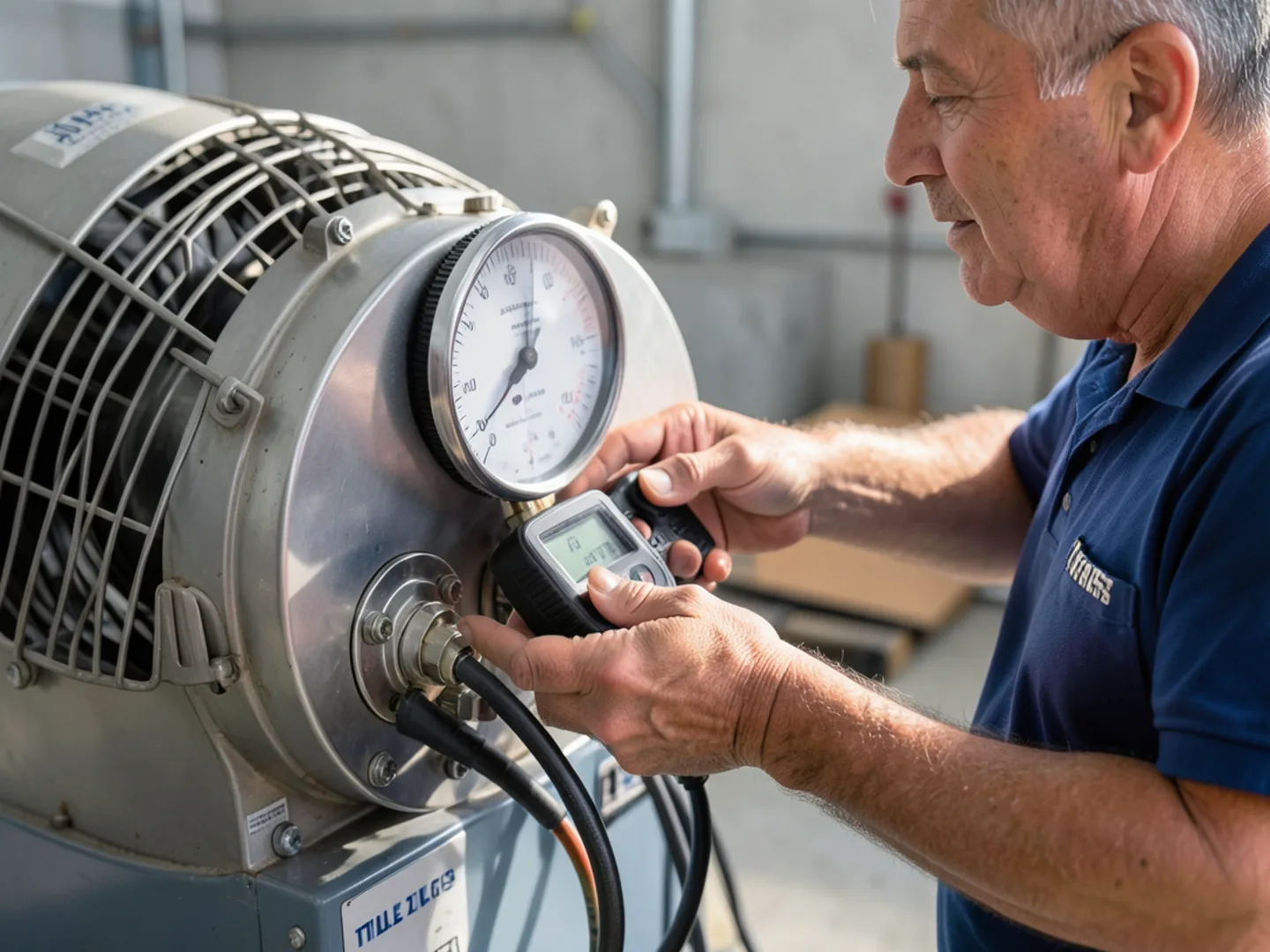
South Bay Municipal Permitting Comparison: Campbell, San Jose, Sunnyvale & Beyond
While California Title 24 Part 6 Energy Standards establish uniform statewide efficiency requirements, the administrative procedures, permit application fees, and turnaround times vary significantly across Santa Clara County municipalities. The table below outlines key differences between primary local building jurisdictions:
| City / Jurisdiction | Building Department Portal | Typical Turnaround | Permit Fee Range | Unique Local Requirements |
|---|---|---|---|---|
| City of Campbell | Campbell Online Building Portal & City Hall | Over-the-counter / 1-2 business days | $250 – $420 | Requires equipment cut sheets, AHRI match certificate, and outdoor setback compliance. |
| City of San Jose | San Jose Building Department Online Plan System | 2 to 5 business days | $320 – $550 | Strict smoke & carbon monoxide detector verification affidavits required prior to inspection. |
| City of Sunnyvale | Sunnyvale One-Stop Permit Center | Over-the-counter / 1-3 business days | $280 – $460 | Outdoor condenser placement must satisfy municipal property line acoustic decibel ordinances. |
| Town of Los Gatos | Los Gatos Community Development Department | 2 to 4 business days | $310 – $490 | Foothill wildfire urban interface (WUI) ignition-resistant screening standards for outdoor attic vents. |
| City of Santa Clara | City of Santa Clara Permit Center | 1 to 3 business days | $260 – $430 | Coordinated through Silicon Valley Power (SVP) municipal electric service connection standards. |
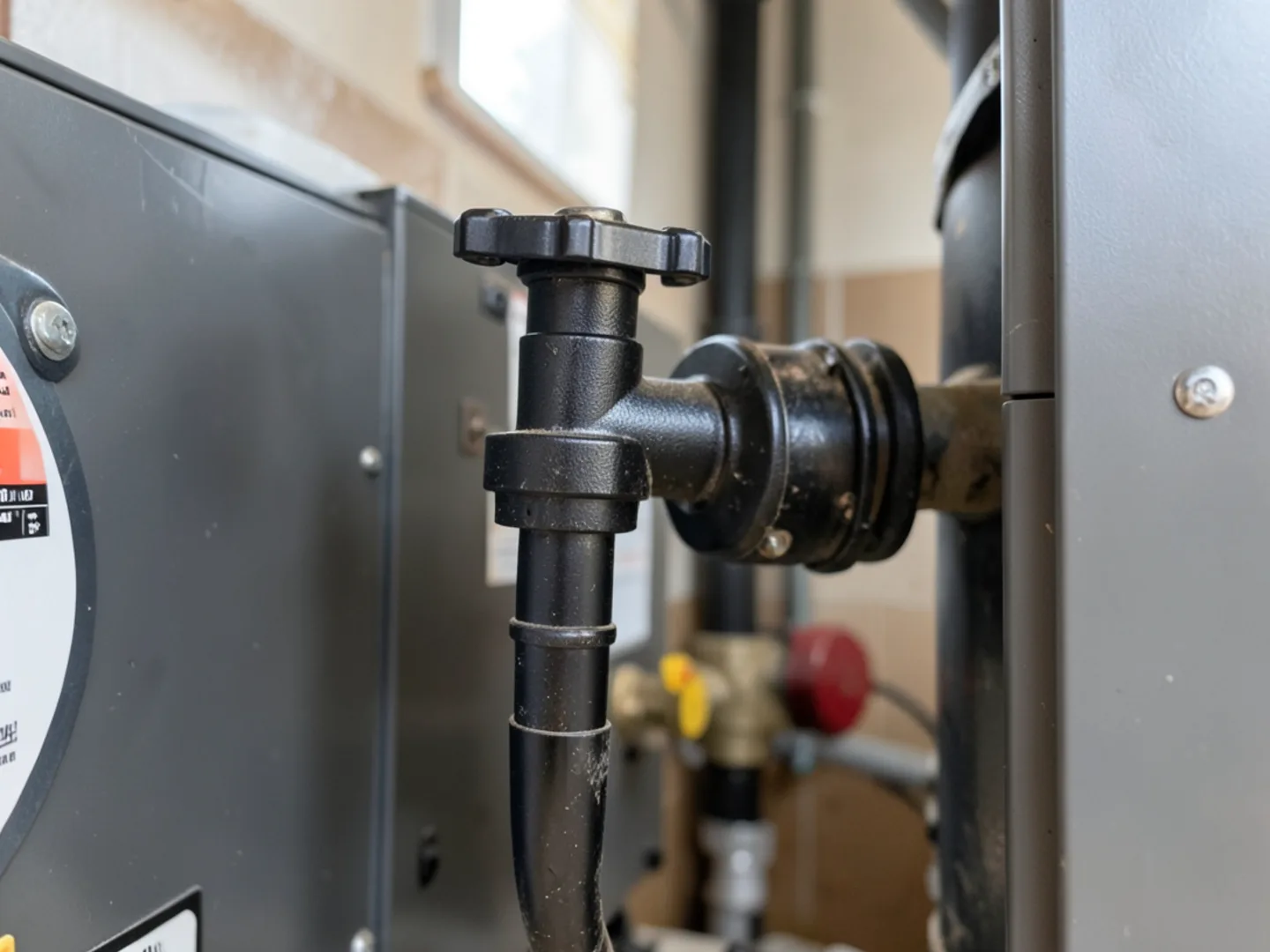
Demystifying California Title 24 Part 6 and Mandatory HERS Verification
Beyond municipal mechanical codes, California Title 24 Part 6 mandates that space-conditioning replacements undergo independent diagnostic verification through a certified Home Energy Rating System (HERS) rater. The state enforces these tests to eliminate chronic energy waste caused by leaky ducts, incorrect refrigerant levels, and choked airflow.
By law, the HERS rater cannot be employed by your HVAC installation company—they must operate as an independent third party registered with an approved California Energy Commission provider registry (such as CalCERTS or CHEERS).
- Duct Leakage Verification Testing (Mandatory): A calibrated duct blaster fan is sealed to the central return air grille while all supply registers are taped shut. The fan pressurizes the duct network to 25 Pascals of pressure. In Santa Clara County (Climate Zone 4), total air leakage must not exceed 10% of total system airflow for existing duct systems, or 5% for completely new ductwork.
- Refrigerant Charge Verification: For split-system air conditioners and heat pumps, the rater connects digital manifold gauges and pipe surface temperature probes to measure refrigerant subcooling and superheat under stable operating loads. The measured subcooling must match the manufacturer's engineering specifications within ±5°F.
- System Fan Efficacy & Airflow Verification: The rater measures the electrical wattage drawn by the indoor blower motor while measuring total cubic feet per minute (CFM) of airflow across the coil. The system must deliver at least 350 CFM per ton of nominal capacity at an electrical efficacy of 0.58 Watts per CFM or better.
Step-by-Step Guide: The Complete Permitting and Inspection Journey
When you hire a licensed, professional HVAC contractor like PerformanceMech, you never have to stand in line at city hall or file confusing technical engineering documents. Here is the exact five-stage process we manage on your behalf:
- Step 1: Engineering Load Calculation & Permit Application: We perform an ACCA Manual J heating and cooling load calculation and generate AHRI certified equipment match certificates. We assemble the Title 24 CF1R registration documents and submit the mechanical permit application directly through your city's building department portal.
- Step 2: Code-Compliant Mechanical & Electrical Installation: Our licensed technicians install the equipment to strict manufacturer and California code specifications, including new fused electrical disconnects, seismic equipment strapping, sediment trap gas drip legs, and fiber-reinforced mastic duct sealing.
- Step 3: Installation Compliance Documentation (CF2R): Our lead technician tests the installation, documents equipment serial numbers, static pressure readings, and electrical ratings, and signs off on the official CF2R installation certificate in the state energy registry.
- Step 4: Independent Third-Party HERS Testing (CF3R): We dispatch a certified independent HERS rater to perform duct pressurization and airflow testing. The rater logs the test results and issues the certified CF3R compliance certificate directly into the state database.
- Step 5: City Inspector Final Walkthrough: We schedule the municipal building inspector to visit your home. The inspector reviews the installation, checks smoke/CO alarm compliance, verifies the HERS paperwork, and stamps the final building permit card.
The Catastrophic Financial and Legal Risks of Unpermitted HVAC Work
Some unlicensed contractors or cut-rate installers offer to perform equipment replacements "off the books" to undercut legitimate estimates by a few hundred dollars. In reality, skipping building permits exposes homeowners to severe financial and legal liabilities that far exceed any temporary upfront savings.
First, property insurance claims can be invalidated. If an unpermitted gas furnace suffers a heat exchanger rupture that causes a house fire or severe carbon monoxide poisoning, insurance investigators will request building permit records. If the mechanical installation was performed illegally without permits, insurance carriers have legal grounds to deny coverage, leaving the homeowner personally liable for hundreds of thousands of dollars in property damage.
Second, unpermitted HVAC work creates major roadblocks during residential real estate sales. California Civil Code Section 1102 mandates that sellers complete a comprehensive Real Estate Transfer Disclosure Statement (TDS). Sellers are legally obligated to disclose whether any modifications or equipment replacements were conducted without required permits. In competitive Silicon Valley real estate markets, buyers' home inspectors immediately spot unpermitted equipment, resulting in delayed escrows, aggressive buyer price concessions, or demands for costly emergency retroactive permitting.
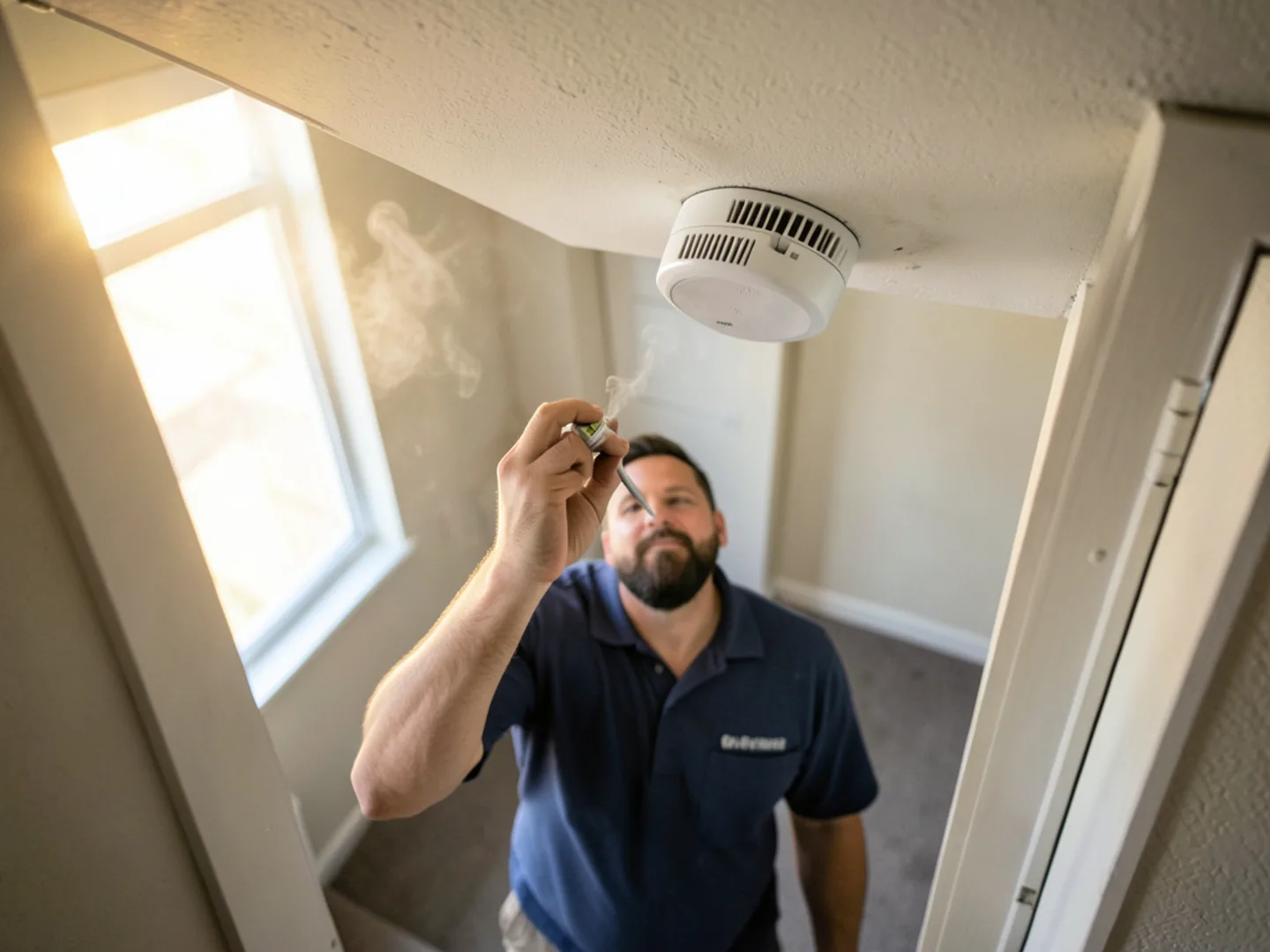
Smoke and Carbon Monoxide Alarm Affidavits: A California Mandate
Under California Health and Safety Code Sections 13113.7 and 13113.8, whenever a building permit is issued for work valued over $1,000—including HVAC replacements—the property must be brought into full compliance with current residential smoke and carbon monoxide alarm standards.
Before the municipal inspector will sign off on the final HVAC permit, the homeowner or contractor must certify that operational smoke alarms are installed inside every bedroom and in the hallway immediately adjacent to sleeping areas. Additionally, carbon monoxide alarms must be installed on every floor level of the residence. PerformanceMech technicians verify your detector layout during our initial walkthrough so your final inspection passes without delay.
Expert Field Insights: How PerformanceMech Eliminates Inspection Delays
At PerformanceMech, we treat permitting and Title 24 verification as an integral part of high-performance engineering rather than an administrative afterthought. Because our technicians hold active California C-20 licenses (CSLB #1089234) and follow standardized installation checklists, our jobs consistently achieve first-visit inspection approvals across Campbell, San Jose, Santa Clara, and Sunnyvale.
Furthermore, securing a final signed municipal permit is a mandatory prerequisite for collecting thousands of dollars in utility rebates through Silicon Valley Clean Energy (SVCE) FutureFit, San José Clean Energy, Silicon Valley Power, and TECH Clean California. We coordinate permit sign-offs and HERS documentation directly with rebate program managers so your incentive disbursements are deposited into your account without administrative rejection.
Frequently Asked Questions
Do I really need a building permit to replace an air conditioner or furnace in Santa Clara County?
Yes. Under the California Mechanical Code and California Title 24 Part 6, replacing an air conditioner, heat pump, or gas furnace requires a building permit across all Santa Clara County municipalities. Permits ensure life-safety standards, electrical fire protection, combustion safety, and mandatory duct energy efficiency.
What is California Title 24 HERS duct testing and is it mandatory?
Yes. Title 24 Part 6 mandates independent third-party Home Energy Rating System (HERS) verification testing on all space-conditioning replacements. A certified rater uses a calibrated duct blaster fan to verify that total attic duct leakage does not exceed 10% of total system airflow.
How much does an HVAC permit cost in Campbell and San Jose?
Residential mechanical permit fees in Santa Clara County generally range between $250 and $550 depending on the specific municipal jurisdiction (City of Campbell, City of San Jose, Sunnyvale, etc.) and equipment valuation. PerformanceMech includes full permit coordination and HERS testing within our upfront installation proposals.
What happens if I sell my home with an unpermitted HVAC replacement?
California seller disclosure laws require homeowners to disclose unpermitted improvements on the Real Estate Transfer Disclosure Statement. Buyers' home inspectors easily identify unpermitted systems, which can delay escrow, void equipment warranties, or force thousands of dollars in retroactive permitting fees and duct repairs.
Related Services & Coverage Areas
Editorial Note & Compliance Transparency
Rebate guidelines, local air district standards (such as BAAQMD Rule 9-4), and municipal permit requirements reflect policies in effect as of 2026-10-24. Utility incentive funding levels and program guidelines are subject to change by administering utilities. Always confirm current program requirements prior to final equipment purchase.