
Carbon Monoxide and Your Furnace: Warning Signs for Livingston County Homes
Warning signs of furnace carbon monoxide include yellow or flickering burner flames instead of crisp blue, dark soot buildup around the burner vestibule, heavy water condensation on windows, burning metallic odors, and unexplained headaches or nausea that lift when leaving the home. If your CO detector alarms, immediately evacuate all occupants and call 911 and PerformanceMech at (321) 666-8870.
The Physics of Heat Exchanger Cracking in Aging Furnaces
Inside every gas and liquid propane furnace, the heat exchanger serves as a critical hermetic barrier between deadly combustion fumes and the fresh air circulating through your bedrooms and living areas. Understanding how and why this steel barrier fails is essential for every Michigan homeowner.
Thermal Expansion Cycles and Structural Metal Fatigue
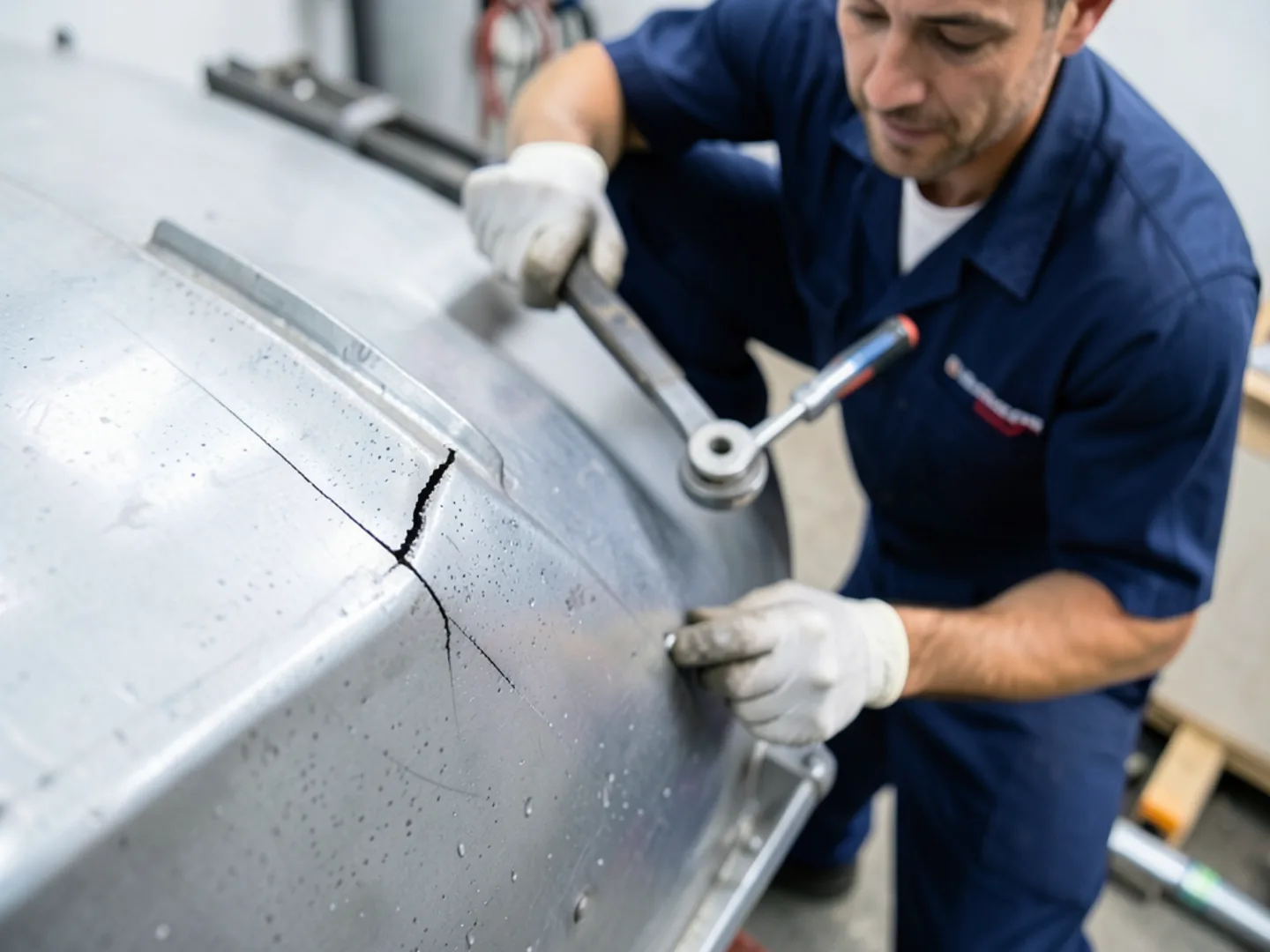
Every time your thermostat calls for heat, furnace burners ignite, rapidly driving heat exchanger steel temperatures from a cold 65°F to over 400°F–500°F within 90 seconds. The steel expands outward under extreme thermal stress. When the call is satisfied, the circulating blower cools the metal, causing it to contract back to its original dimensions. Across 15 to 25 harsh Michigan winters, a furnace undergoes between 80,000 and 150,000 severe expansion and contraction cycles. Over time, microscopic stress fractures develop along stamped clamshell seams, metal dimples, and welded joints.
Acidic Condensate Corrosion in Modern High-Efficiency Units
In modern 90%+ high-efficiency condensing furnaces, a secondary stainless steel heat exchanger extracts latent heat by condensing combustion water vapor into liquid. This condensate is naturally acidic (pH 3.0 to 4.5), containing dissolved nitric and carbonic acids. If the furnace's internal condensate trap or drain line becomes sluggish or partially obstructed by biological slime, acidic water backs up into the secondary cells, creating aggressive galvanic pitting and pinhole corrosion.
Restricted Static Airflow as an Invisible Destructive Force
Running a furnace with a heavily clogged 1-inch air filter, undersized return ductwork, or closed supply registers severely starves the system of cooling airflow. As heat exchanger surface temperatures exceed engineered safety limits (often tripping bimetal high-limit switches repeatedly), the steel undergoes severe thermal warping. Warped metal binds during expansion, causing catastrophic fissures that breach the combustion barrier.
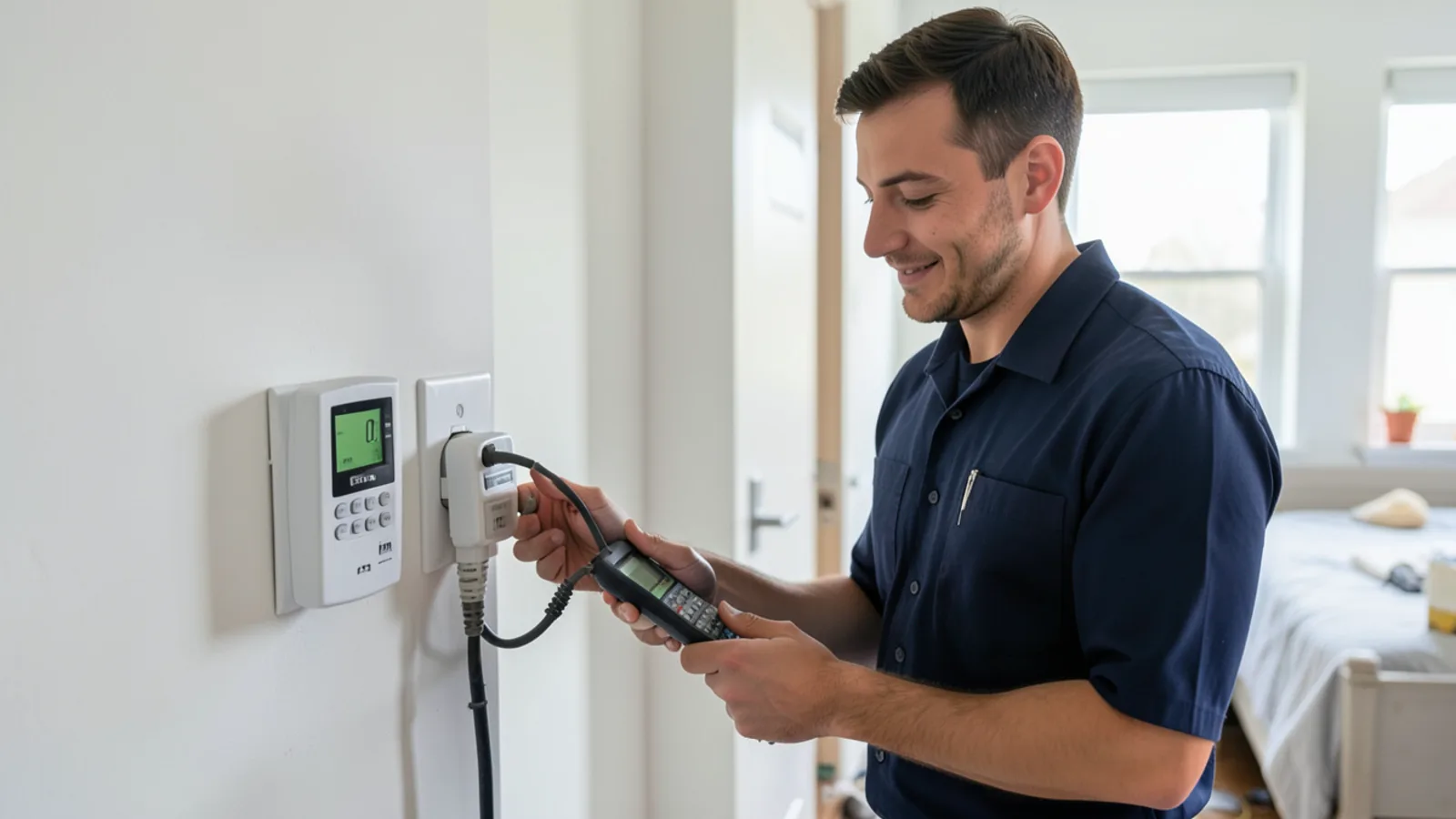
Need an Expert On Site at Your Home?
Our Brighton HVAC team provides prompt dispatch across Livingston County. Call (321) 666-8870.
Visual Warning Signs of Incomplete Combustion and CO Leaks
Because pure carbon monoxide is completely odorless, tasteless, and invisible, homeowners must learn to spot the physical combustion abnormalities that accompany its production:
1. Yellow, Lazy, or Flickering Burner Flames
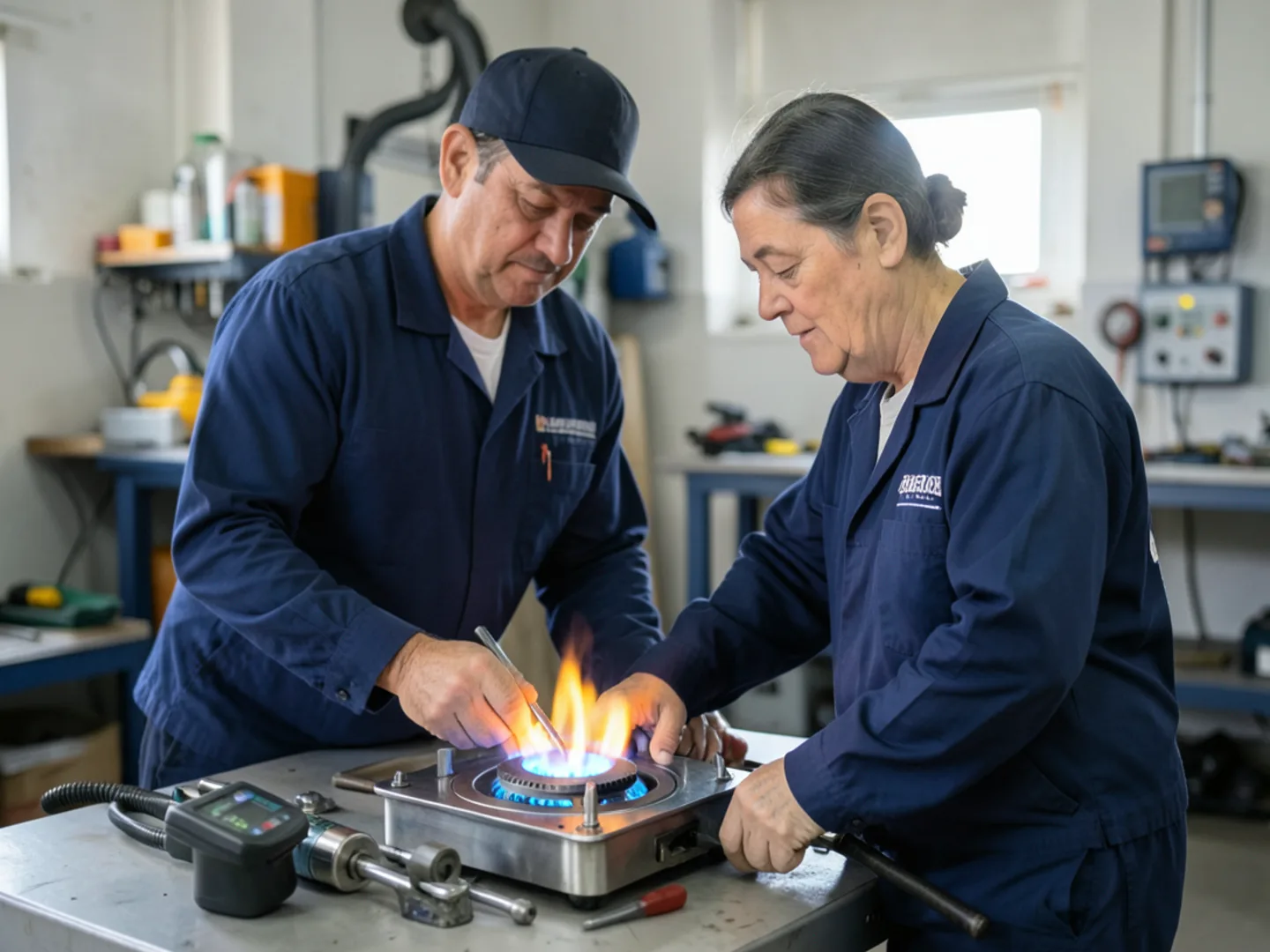
When natural gas or LP propane burns with optimal oxygen mixture, burner flames display a crisp, sharp, steady bright-blue appearance with a distinct light-blue inner cone. If burner flames appear yellow, orange, lazy, or wavering—or if flames roll out toward the cabinet panel when the indoor blower motor turns on—a breached heat exchanger is allowing air from the blower compartment to blow directly into the combustion chamber, destabilizing the flame.
2. Soot Deposits and Burner Vestibule Scorch Marks
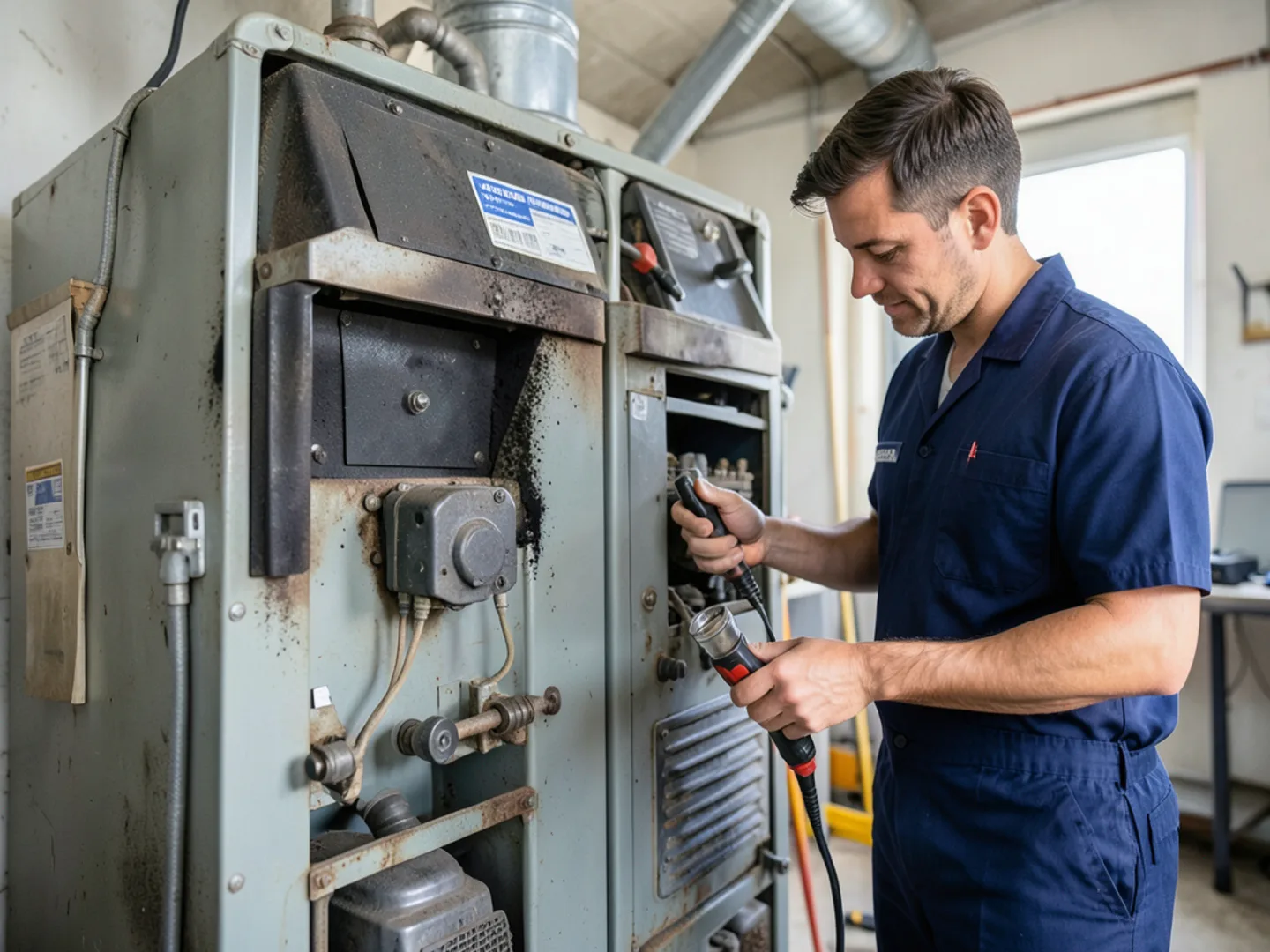
Carbon soot is pure unburned fuel. In an airtight, properly venting furnace, combustion byproducts exit cleanly out the flue pipe without leaving surface deposits. If you observe powdery black soot streaks accumulating around burner tubes, draft hoods, or the exterior casing of the flue exhaust, incomplete combustion is actively occurring.
3. Corrosion Streaks, White Efflorescence, and Window Condensation
Heavy moisture dripping from exhaust vent pipes, white chalky efflorescence powder coating the metal draft hood, or persistent interior window fogging during extreme cold snaps indicates that flue gases are failing to vent properly. In many cases, cold downdrafts or a cracked cell force moisture-laden combustion gases back into the residential envelope.
Health Symptoms: Distinguishing CO Poisoning from Winter Flu
Carbon monoxide binds to human hemoglobin over 200 times more aggressively than oxygen, forming carboxyhemoglobin (COHb) in the bloodstream and depriving vital organs of oxygen. Because low-level poisoning symptoms closely mirror viral winter influenza, it is frequently misdiagnosed:
Low-to-moderate carbon monoxide poisoning produces chronic, dull frontal headaches, unexplained physical fatigue, lightheadedness, nausea, mild confusion, and burning sensations in the eyes or throat. Because these symptoms resemble the common cold or flu, families often dismiss them.
The definitive diagnostic clue is geographic symptom relief: if your headaches and lethargy improve significantly when you leave for work or school, but return within an hour or two of arriving home in the evening, your residential heating environment is contaminated.
Pay close attention to domestic pets. Cats and small dogs possess significantly smaller blood volumes and higher metabolic respiration rates than humans; they frequently exhibit sudden lethargy, vomiting, or loss of balance hours before adult humans recognize physical symptoms.
The Geographic Clue
If multiple family members or pets experience identical flu-like symptoms simultaneously that mysteriously subside when spending time away from the house, evacuate immediately and contact emergency services.
Carbon Monoxide Concentration Matrix: PPM Levels & Health Thresholds
Carbon monoxide toxicity depends on both ambient parts-per-million (PPM) concentration and total duration of human exposure. Consult this clinical reference matrix:
| CO Level (PPM) | Typical Source / Setting | Physiological Effects on Occupants | Maximum Allowable Exposure |
|---|---|---|---|
| 0–9 PPM | Clean outdoor air and properly operating heating systems | None; standard ambient background concentration | Safe for continuous lifetime residential exposure |
| 10–35 PPM | Unvented gas stoves, idling vehicles near open garage doors | Mild frontal headache, reduced exercise tolerance in heart patients | EPA 8-hour outdoor standard: 9 PPM; NIOSH workplace ceiling: 35 PPM |
| 36–99 PPM | Hairline heat exchanger crack, backdrafting chimney flue | Persistent throbbing headache, fatigue, nausea, mental haziness | OSHA PEL limit: 50 PPM; evacuation and diagnostic shutoff required |
| 100–200 PPM | Moderate heat exchanger fissure or blocked flue pipe | Severe headache, dizziness, mental confusion, vomiting in 1–2 hours | Life-threatening; standard retail alarms sound within 60–90 minutes |
| 400+ PPM | Catastrophic heat exchanger breach or disconnected exhaust | Loss of consciousness within 1–2 hours; fatal within 2–3 hours | Immediate emergency evacuation; call 911 from outside the structure |
Professional Detection: Electronic Flue-Gas Analysis & Optical Borescopes
A flashlight and inspection mirror alone cannot reliably certify a furnace heat exchanger. Hairline cracks often remain tightly closed until metal reaches operating temperatures above 300°F.
PerformanceMech utilizes certified electronic combustion analyzers equipped with electrochemical sensors to sample flue gas streams in real time. We measure parts-per-million of carbon monoxide, percentage of oxygen (O2), carbon dioxide (CO2), stack temperature, and combustion efficiency. If flue-gas CO levels exceed 100 PPM air-free—or if oxygen readings spike dramatically the instant the indoor circulation blower turns on—it provides incontrovertible proof that fresh indoor air is penetrating a cracked combustion cell.
We supplement combustion analysis with high-resolution digital optical borescopes. Our technicians feed flexible articulating camera wands directly into burner vestibules and through high-limit ports to inspect hidden secondary cells, capturing clear video proof of cracks, metal fatigue, and rust perforations for homeowner documentation.
Under the Michigan Mechanical Code and LARA safety standards, certified technicians are legally required to disable and red-tag any furnace with a verified cracked heat exchanger to eliminate immediate poisoning hazards.
Emergency Protocols: What to Do If Your CO Alarm Sounds
If an audible carbon monoxide alarm activates inside your home, execute these life-safety steps immediately:
1. Immediately evacuate all family members and pets into fresh outdoor air. Do not pause to gather belongings or investigate the mechanical room.
2. Leave the main entry door open behind you to allow outdoor air to dilute accumulating gases inside the hallway.
3. Once safely outdoors, dial 911 to dispatch the local fire department. Firefighters carry calibrated electronic air sniffers and oxygen equipment to assess indoor atmosphere safety.
4. If anyone experiences headaches, nausea, or dizziness, request emergency medical assistance for immediate oxygen therapy.
5. Call PerformanceMech at (321) 666-8870 for emergency HVAC inspection. Do not re-enter the home or attempt to turn the furnace back on until a licensed mechanical technician and fire officials have certified the property.
Why Retail CO Alarms Are Not Engineered to Prevent Chronic Low-Level Exposure
Most homeowners falsely believe that as long as their store-bought carbon monoxide detector is silent, their furnace is 100% airtight. However, standard UL-2034 residential CO alarms are designed strictly to prevent acute mortality—meaning they will not sound an audible alarm until concentrations exceed 70 PPM for 60 to 240 minutes, or 400 PPM for 15 minutes. Low-level carbon monoxide seepage between 15 and 45 PPM from a hairline heat exchanger fissure can leak into bedrooms for months without triggering a retail alarm, causing chronic migraines, cognitive fog, and cardiovascular fatigue in children and seniors. Only annual combustion analysis with a calibrated electronic flue-gas analyzer can certify that a heat exchanger is completely sealed.
Frequently Asked Questions
Common questions Michigan homeowners ask our technicians regarding this topic.
No. Under Michigan Mechanical Code and manufacturer safety certifications, cracked heat exchangers cannot be welded, patched, or epoxied. The extreme thermal expansion and contraction cycles of residential furnaces will cause any repair weld to fracture quickly. The entire heat exchanger assembly or the furnace itself must be replaced.
PerformanceMech Technical Team
Licensed Michigan Mechanical & Hydronic Specialists serving Livingston, Oakland & Washtenaw Counties.
Related Professional Services
Related Service Areas Covered
Have Heating or Cooling Trouble Today?
Call PerformanceMech Heating & Air at (321) 666-8870. Live phone response and rapid dispatch from our Brighton hub.