
The Bay Area's 2029 Gas Furnace Rule: What Campbell Homeowners Should Know
Quick Regulatory Summary: What Campbell Homeowners Must Know About the 2029 Rule
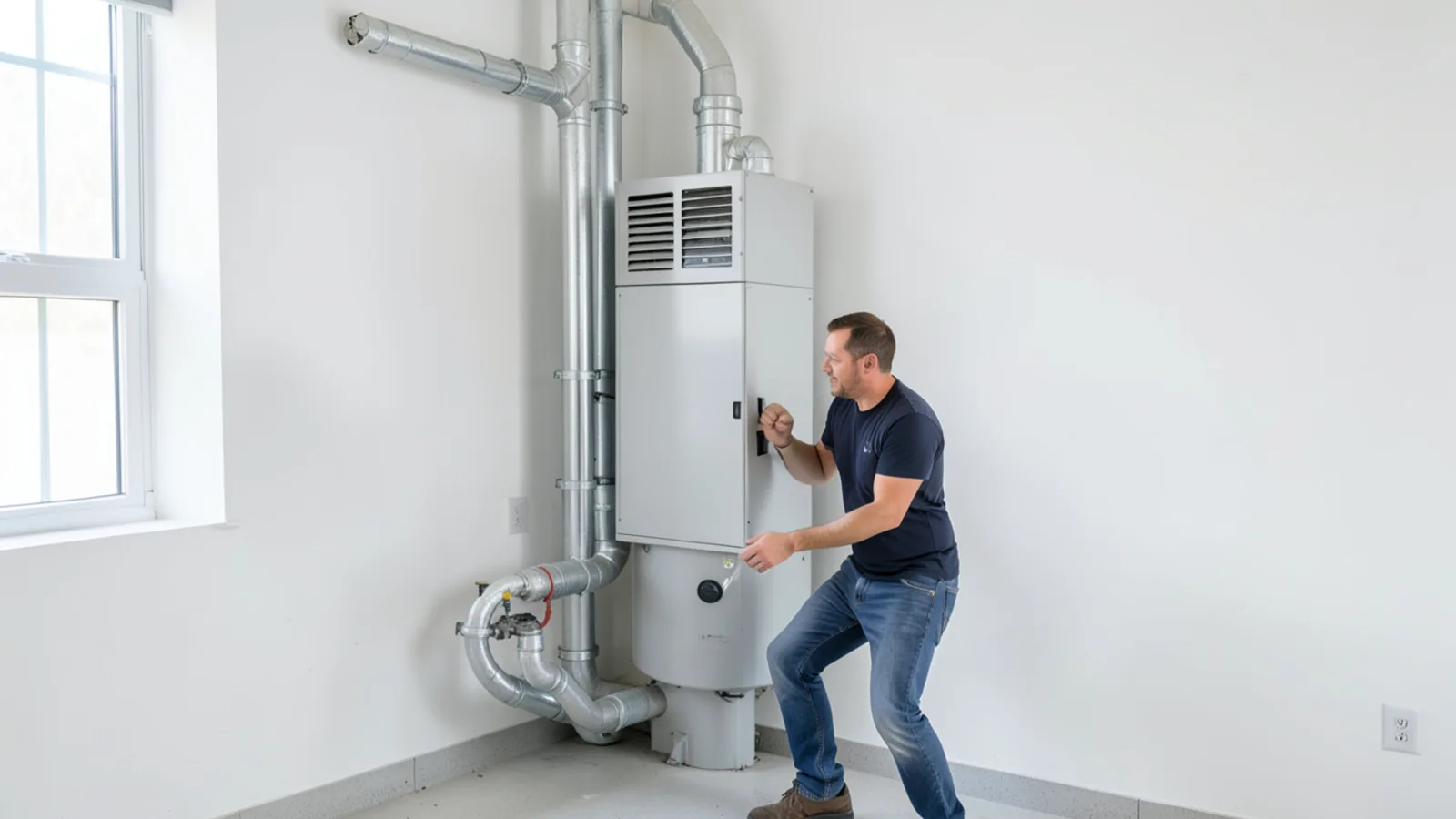
The Bay Area Air Quality Management District's (BAAQMD) Rule 9-4 prohibits the retail sale, supply, and installation of natural gas central furnaces with nitrogen oxide (NOx) emissions greater than zero (0 ng/Joule) starting January 1, 2029. Homeowners are not required to remove existing, operational gas furnaces; however, once 2029 arrives, any failed residential furnace must be replaced with an all-electric zero-NOx heat pump. Planning your conversion proactively allows you to claim up to $8,000+ in current SVCE and federal rebates before emergency replacement bottlenecks occur.
In March 2023, the Bay Area Air Quality Management District made national environmental headlines by voting to approve historic amendments to Regulation 9, Rule 4 (Nitrogen Oxides from Fan Type Residential Central Furnaces) and Rule 6 (Water Heaters).
These amendments establish the nation's first regional zero-emission standards for space and water heating equipment, directly covering all nine Bay Area counties: Santa Clara, San Mateo, Alameda, Contra Costa, San Francisco, Marin, Napa, Sonoma, and southwestern Solano. For homeowners in Campbell, San Jose, Santa Clara, and neighboring West Valley communities, this regulation fundamentally alters residential heating infrastructure. Here is what every local property owner must know about regulatory timelines, technological solutions, and practical replacement strategies.
Need Professional HVAC Help in Campbell?
Our local team handles diagnostic troubleshooting, equipment sizing, and emergency repairs across the South Bay.
Key Implementation Milestones and Regulatory Deadlines
The BAAQMD clean air implementation timeline rolls out in structured technological phases across residential and commercial sectors to allow manufacturers and contractors to scale zero-emission equipment supply chains.
- 5-Step Homeowner Readiness Checklist:
- 1. Identify Furnace Age: Check the rating plate on your indoor furnace cabinet for the serial number or manufacture date. If installed before 2012, your furnace has entered the replacement planning window.
- 2. Check Electrical Panel Capacity: Inspect your main breaker panel to verify whether you have a 100-amp, 150-amp, or 200-amp service.
- 3. Evaluate Existing Attic Ductwork: Verify whether your home has original 1950s metal/uninsulated ducts that leak conditioned air and require R-8 replacement for Title 24 compliance.
- 4. Research Current Rebate Programs: Explore active Silicon Valley Clean Energy (SVCE) FutureFit and TECH Clean California funding windows.
- 5. Schedule an Electrification Site Survey: Have a certified C-20 contractor perform an ACCA Manual J load calculation to design your heat pump system properly.
| Effective Date | Regulated Equipment Type | Mandatory Emission Standard | Impact on Bay Area Homeowners |
|---|---|---|---|
| January 1, 2027 | Residential Gas Water Heaters (<75,000 BTU/hr) | Zero-NOx (0 ng/Joule) | New water heater replacements must be electric heat pump units. |
| January 1, 2029 | Residential Central Gas Furnaces (<175,000 BTU/hr) | Zero-NOx (0 ng/Joule) | Natural gas central furnaces can no longer be sold or installed in the Bay Area. |
| January 1, 2031 | Large Commercial Water Heating (>75,000 BTU/hr) | Zero-NOx (0 ng/Joule) | Commercial boilers and multi-family central water heating systems transition. |
Will Anyone Force You to Remove Your Working Gas Furnace?
One common misconception circulating among South Bay homeowners is that BAAQMD officials or city building inspectors will mandate the premature removal or confiscation of operational gas furnaces on January 1, 2029. This is completely false.
BAAQMD Rule 9-4 is strictly an equipment point-of-sale and installation standard, not a point-of-use ban. You are legally permitted to operate, maintain, and repair your existing natural gas furnace for its remaining functional lifespan. The regulation only takes effect when your current furnace fails catastrophically and must be physically replaced with a new heating appliance.
However, the practical reality is that once January 1, 2029 arrives, wholesale HVAC distributors in the Bay Area will no longer carry natural gas furnaces. If your gas furnace dies during a freezing night in January 2030, you will not have the option of doing a quick, like-for-like gas furnace swap; local municipal permit centers (including the City of Campbell Building Division) will reject gas furnace changeout permits, requiring you to install an all-electric zero-NOx heat pump.
Why Nitrogen Oxides (NOx) Are Regulated in the Santa Clara Basin
To understand why this rule was enacted, one must examine the unique topography and atmospheric chemistry of the Santa Clara Valley. Campbell, San Jose, Los Gatos, and Santa Clara sit at the southern terminus of San Francisco Bay, enclosed by the Santa Cruz Mountains to the west and the Diablo Range to the east.
When natural gas burns in residential furnaces and water heaters, high combustion temperatures cause atmospheric nitrogen and oxygen to react, producing nitrogen dioxide (NO2) and nitric oxide (NO), collectively termed NOx. In the presence of intense South Bay sunlight and stagnant valley air inversions, NOx interacts with volatile organic compounds (VOCs) to generate ground-level ozone (smog) and fine particulate matter (PM2.5).
According to BAAQMD air quality models, residential space and water heating account for over 40 tons of nitrogen oxide emissions daily across the Bay Area—surpassing the total NOx emissions of light-duty passenger vehicles. Eliminating these fossil-fuel emissions will prevent hundreds of annual asthma emergency room visits, bronchitis cases, and premature deaths across South Bay communities.
The Technological Solution: Modern Variable-Speed Inverter Heat Pumps
Because no natural gas furnace technology currently exists that emits zero nitrogen oxides, the zero-NOx standard effectively designates electric heat pumps as the exclusive technology for future home heating in the Bay Area.
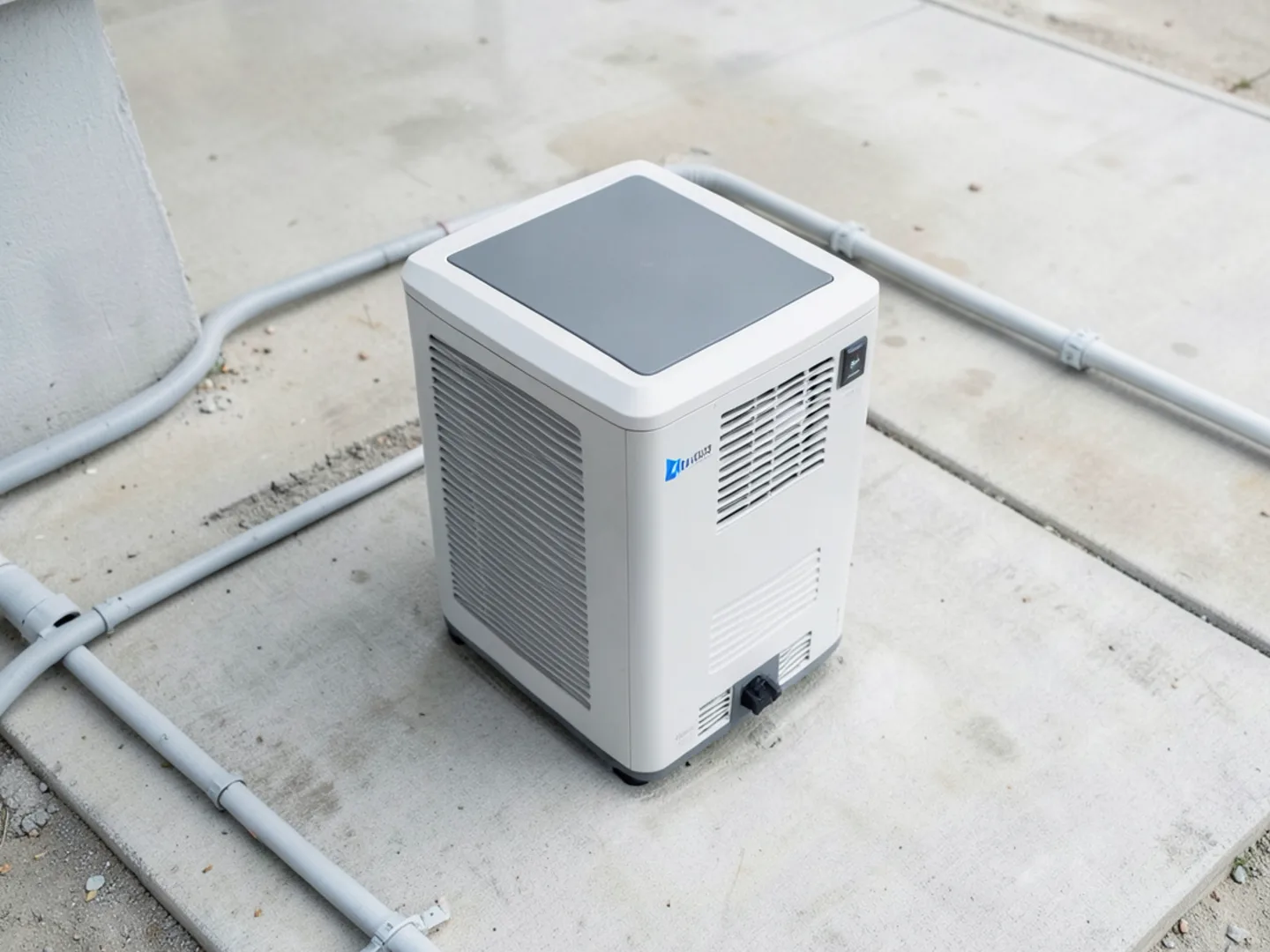
Fortunately, modern inverter-driven heat pumps represent far superior climate control technology compared to legacy single-stage gas furnaces. Reversible heat pumps extract ambient thermal energy from outdoor air using variable-capacity scroll or rotary compressors, delivering 300% to 400% heating efficiency. In addition to clean electric heat, heat pumps provide whisper-quiet high-efficiency air conditioning during summer heat waves, eliminating the need for separate cooling systems.
Furthermore, heat pumps eliminate carbon monoxide hazards, gas line leak risks, and unburned methane emissions from residential attics and hallway closets, significantly improving indoor living air quality.
Expert Field Insights: Avoiding Post-2029 Emergency Conversion Bottlenecks
Transitioning from a natural gas furnace to an electric heat pump requires thoughtful engineering: verifying ductwork sizing, evaluating electrical service panels, and applying for local utility rebates. Scrambling to make an emergency heat pump conversion in the middle of a winter freeze after 2029 is a recipe for delay and frustration.
- Over 600,000 Gas Furnaces in the Bay Area: When hundreds of thousands of property owners rush to convert simultaneously as the deadline approaches, demand for certified heat pump technicians, electrical permits, and equipment inventory will peak.
- Emergency Winter No-Heat Scenarios: A same-day gas furnace replacement takes 4 to 8 hours. An emergency heat pump conversion requires running a new 240V circuit, mounting an outdoor pad, pulling line-sets, and scheduling a HERS verification test—taking 2 to 4 days during peak season.
- Rebate Budget Exhaustion: Current electrification rebates from Silicon Valley Clean Energy (SVCE) and TECH Clean California offer maximum funding today. As market adoption becomes mandatory in 2029, utility incentive budgets may diminish or disappear entirely.
- Ductwork Integration: Modern heat pumps require balanced airflow (minimum 350 to 400 CFM per ton). Planning early allows you to address leaky or undersized 1950s ranch ducts under Title 24 standards.
Municipal Permitting & Electrical Panel Planning in Campbell and West Valley
Under California law, all central HVAC equipment replacements require municipal mechanical permits issued by the City of Campbell Building Division or Santa Clara County. Legitimate contractor quotes include permit processing fees and mandatory third-party Home Energy Rating System (HERS) verification testing.
Many 1950s and 1960s Campbell ranch homes feature original 100-amp main electrical service panels. PerformanceMech specializes in smart electrification: by selecting low-amp variable-speed inverters and deploying intelligent load-shedding switches (such as DCC or SimpleSwitch devices), we integrate high-efficiency heat pumps into existing 100A panels without requiring expensive $5,000+ PG&E utility service upgrades.
Frequently Asked Questions
Is the Bay Area really banning natural gas furnaces in 2029?
Yes. The Bay Area Air Quality Management District (BAAQMD) Rule 9-4 officially prohibits the retail sale, supply, and installation of natural gas furnaces with NOx emissions greater than zero starting January 1, 2029. New installations must be all-electric zero-emission heat pumps.
Do I have to replace my working gas furnace before 2029?
No. You are legally allowed to operate, maintain, and repair your existing gas furnace for as long as it functions safely. The zero-NOx regulation only applies when you replace your current furnace with a new heating system.
What happens if my gas furnace breaks down in Campbell after January 1, 2029?
If your furnace suffers an unrepairable failure after January 1, 2029, local distributors will no longer sell gas furnaces, and the City of Campbell Building Division will not permit a gas furnace replacement. You will be required by law to install an all-electric heat pump.
Can I still buy replacement parts to repair my gas furnace after 2029?
Yes. The BAAQMD rule does not ban replacement components such as flame sensors, igniters, blower motors, or draft inducers. As long as replacement parts are commercially available and the heat exchanger remains intact, existing furnaces can be repaired.
Related Services & Coverage Areas
Editorial Note & Compliance Transparency
Rebate guidelines, local air district standards (such as BAAQMD Rule 9-4), and municipal permit requirements reflect policies in effect as of 2026-10-24. Utility incentive funding levels and program guidelines are subject to change by administering utilities. Always confirm current program requirements prior to final equipment purchase.